What are the main types of schema markup?
This question matters more than ever. Search engines now reward structured data. Rich results depend on it. This guide breaks everything down simply.
Introduction
Types of schema markup shape how Google reads your pages. Each type serves a different purpose. Some highlight your business identity. Others showcase products, videos, or reviews. Understanding them helps you rank better and earn richer snippets.

Quick answer: schema markup is structured code added to a webpage. It helps search engines understand content meaning. Common types include Organization, FAQ, Product, Video, Local Business, and Review schema. Each type unlocks different rich result features in search.
Many site owners skip schema markup entirely. That is a missed opportunity. Structured data often decides who gets the rich snippet. It also affects click through rates directly. This guide covers every major schema type in detail.
Search results have changed a lot recently. Plain blue links rarely stand out anymore. Rich snippets now dominate the top positions. Businesses ignoring schema markup fall behind quickly. Competitors using structured data capture more attention instead.
This guide walks through six major schema types. Each section explains real world use cases. You will also see practical examples along the way. By the end, you can plan your own schema rollout confidently.
What Is Schema Markup?
Schema markup is code added behind your content. It follows a vocabulary from schema.org. Search engines like Google use it to display rich results. Without it, your listing looks plain and basic.
Think of schema as a translator. It explains your content to machines clearly. Search engines then reward that clarity with better visibility. Technical teams pair schema with strong canonical tags. Clean sitemap structures support this too.
Schema also supports newer search behavior. Voice assistants and AI overviews rely on structured data heavily. Getting your ai seo strategy right often starts with schema basics.
Search engines process billions of pages daily. Structured data speeds up that entire process. It removes guesswork about what content means. Pages without schema still rank, but they miss extra visibility.
Schema markup also helps smaller websites compete. A local shop can appear alongside larger brands. Rich results level the playing field somewhat. This makes schema markup valuable regardless of business size.
There are dozens of schema types available today. Most websites only need a handful though. Focus on types matching your actual content first. Adding irrelevant schema types wastes development time unnecessarily.
Organization Schema Markup
Organization schema markup identifies your business as an entity. It tells Google your company name, logo, and social profiles. This builds trust signals across search results.

Adding organization schema markup helps your brand appear correctly. Google may show your logo in the knowledge panel. It also supports your presence across social media marketing channels.
This schema type pairs well with a strong organic search presence. It reinforces brand authority signals search engines already track.
Larger companies benefit from organization schema especially. Franchises with multiple locations need consistent entity data. Any franchise digital marketing roi strategies plan should include this schema type early.
Organization schema also supports enterprise level branding goals. Teams running enterprise digital marketing services often standardize this data across every property. Consistency here prevents confusing duplicate entity signals in search.
Key Fields Inside Organization Schema
Organization schema usually includes these fields:
- Legal business name
- Logo image URL
- Official website link
- Social profile links
- Contact information
Each field strengthens your brand footprint online. Combine this with solid domain authority practices for better results.
Missing or inconsistent fields can confuse search engines. Always double check every value before publishing. Small errors here can delay knowledge panel updates significantly.
Many teams pair organization schema with strong backlink building efforts. Authority signals from links and schema work together well. Neither one replaces the other completely.
FAQ Schema Markup
FAQ schema markup displays questions directly in search results. Users see answers before clicking through. This increases visibility for competitive keywords.

This schema type works well with answer engine optimization efforts. It also supports growing geo based search strategies.
FAQ schema markup boosts real estate on the results page. Pages with FAQ blocks often stand out visually. This can improve click through rates significantly.
Best Practices For FAQ Schema
Keep answers short and direct. Match real user search intent closely. Avoid duplicate FAQ content across pages. Use this schema alongside strong keyword research work.
FAQ schema markup also supports voice search queries. Many voice assistants pull answers straight from structured FAQ data. This makes it valuable beyond traditional search.
Writers should keep FAQ answers factual and concise. Avoid promotional language inside these answer blocks. Search engines may reject overly salesy FAQ content.
Pages built around thorough keyword research for blogging often include natural FAQ sections. This combination increases both relevance and structured data eligibility together.
Healthcare and service businesses gain extra value here. Sites focused on seo for hospitals often answer common patient questions directly. FAQ schema turns those answers into visible search features.
Product Schema Markup
Product schema markup displays price, availability, and ratings. Shoppers see this information instantly in search results. It builds trust before someone even visits your site.
This schema type is essential for ecommerce seo success. It works alongside strong amazon seo strategies too. Retailers running an ecommerce ppc campaign benefit heavily from this schema.
What Product Schema Includes
Product schema markup typically covers:

- Product name and description
- Price and currency
- Availability status
- Star rating and review count
- Brand name
Missing fields can disqualify your rich result eligibility. Test everything before publishing new product pages.
Retailers selling across marketplaces need extra care here. Consistent product data across amazon seo optimization listings and your own site matters. Mismatched pricing or availability can hurt trust signals.
Running amazon ppc management campaigns works better with accurate schema behind them. Ads driving traffic to poorly structured pages waste budget quickly.
Product schema also supports comparison shopping features. Shoppers researching options often see multiple listings side by side. Accurate structured data helps your product win that comparison.
Video Schema Markup
Video schema markup helps search engines understand video content. It can trigger video thumbnails inside search results. This drives more clicks toward your video content.
This schema type pairs naturally with youtube keyword research efforts. It helps brands exploring how ai converts text or images into video today.
Why Video Schema Matters
Video content is growing fast across platforms. Video schema markup ensures your videos get discovered properly. It also improves engagement metrics tracked by search engines.
Sites using social media marketing tools often repurpose video assets. Adding schema markup ensures none of that effort gets wasted.
Video thumbnails also improve mobile search experiences. Users scanning results quickly notice visual elements first. This makes video schema especially useful for engagement.
Brands running a full social media marketing strategy should treat video schema well. It connects content distribution with actual search visibility gains.
Agencies offering a social media marketing agency service often bundle video schema setup. This ensures client video content gets discovered properly across search.
Schema Markup Local Business
Schema markup local business type is critical for nearby search results. It tells Google your address, hours, and service area clearly. This directly supports local seo rankings.

Businesses using local seo services in india rely heavily on this schema type. It also strengthens results from a proper local seo audit.
Industries That Benefit Most
Local business schema helps many industries.
- Local seo for restaurants
- Local seo for doctors
- Local seo for dentists
- Local seo for lawyers
- Local seo for therapists
Each industry gains visibility through accurate local schema data. Google My Business also connects closely with this schema type. Learn more through how does google my business improve local seo rankings.
Multi location businesses face extra challenges here. Each location needs unique, accurate schema data. A solid multi location seo guide helps manage this at scale.
Franchises expanding across regions should follow a proven franchise seo playbook approach. Consistent schema across every location prevents ranking confusion.
Understanding key local seo ranking factors for google helps prioritize schema fields correctly. Address accuracy and category selection matter most here.
Review Schema Markup
Review schema markup displays star ratings inside search results. This builds instant credibility for your business or product. Shoppers trust visible ratings more than plain text.
This schema type connects closely with reputation management. Teams often study responding to reviews with ai in mind not just customers.
Review schema markup also supports best local seo examples across many industries. Strong reviews paired with schema create powerful trust signals.
Only use genuine, verified reviews inside this schema. Fake or incentivized reviews violate search engine guidelines. Getting caught can remove rich result eligibility entirely.
Businesses tracking reputation should also monitor overall organic traffic trends. Rising star ratings often correlate with increased click through rates over time.
Schema Markup Example Walkthrough
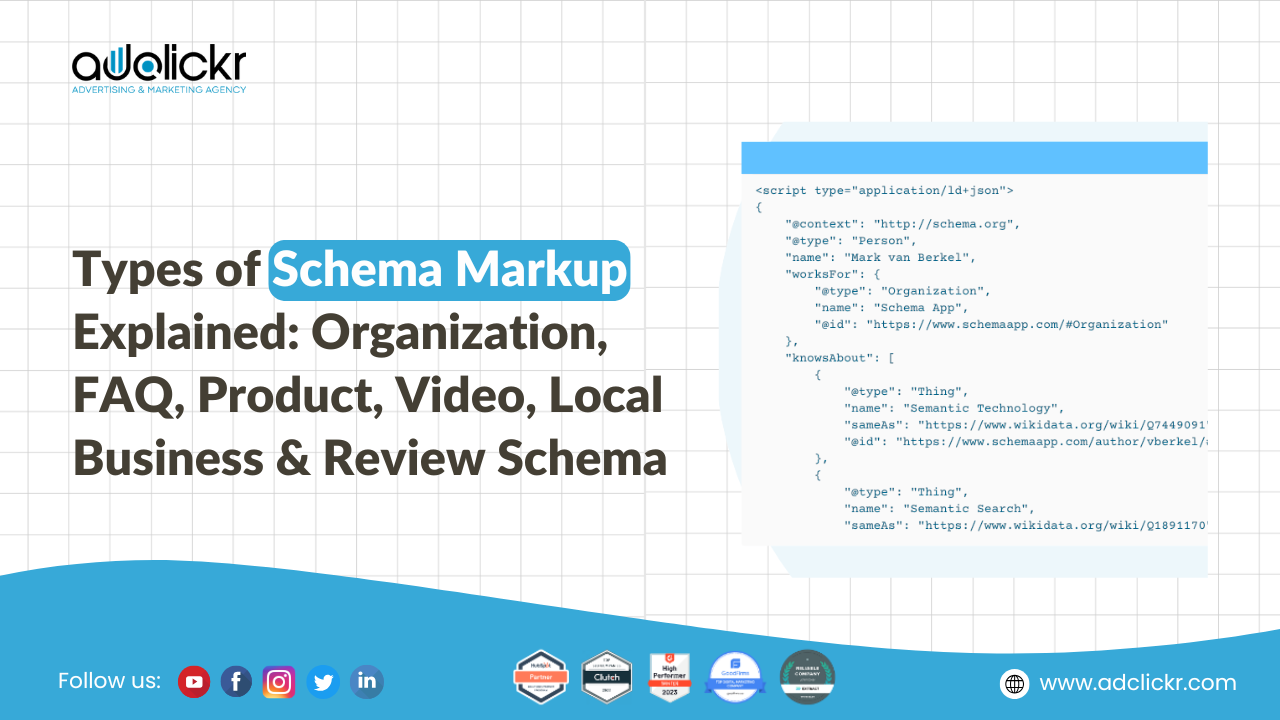
A schema markup example helps clarify these concepts fast. Imagine a bakery page using Local Business schema. It lists address, hours, and phone number clearly.

Now imagine a product page using Product schema. It shows price, stock status, and star rating instantly. Both examples demonstrate structured data working correctly.
Consider a third schema markup example too. A video page might use Video schema alone. It highlights thumbnail, duration, and upload date clearly.
Combining examples helps teams visualize real implementation. Developers can then map each field correctly. This reduces errors during actual code deployment.
For deeper technical guidance, review the official schema.org documentation directly. Google also publishes helpful reference material through its structured data guidelines. The W3C standards explain the broader vocabulary structure too.
How To Add Schema Markup Correctly
Adding schema markup requires careful planning. Start by identifying your page type. Then choose the matching schema category.
Use JSON LD format whenever possible. Google prefers this format over microdata. Test your markup using validation tools afterward.
Common Technical Considerations
Schema markup works best alongside solid technical foundations. This includes proper mobile first indexing setup. It also depends on clean javascript seo execution.
Pages using pagination seo correctly should apply consistent schema too. Always check your crawl budget impact before adding heavy scripts.
Teams managing large sites often need a full technical seo audit checklist. This ensures schema markup integrates cleanly with existing code.
Image based content also needs proper support. Adding descriptive alt text on image elements complements structured data nicely. Both signals help search engines understand page content fully.
Sites relying on pagination should stay consistent too. Combine schema with clear canonical url signals across paginated series. This avoids duplicate content confusion during indexing.
Why Schema Markup Matters For SEO
Schema markup influences click through rates directly. Rich results simply attract more attention. This can improve rankings indirectly over time.

It also supports emerging search formats. AI overviews often pull structured data first. This connects schema work with broader geo generative engine optimization strategy.
Businesses tracking performance should monitor results through analytics reporting dashboards. This shows whether schema changes improved visibility. Pair this with a broader schema markup complete guide for deeper implementation steps.
Many agencies now offer dedicated ai seo services to manage this work. Others rely on full seo services packages instead. Either path can help scale structured data across many pages.
Enterprise teams often need broader support too. A dedicated enterprise seo program usually includes schema management. This keeps structured data consistent across thousands of pages.
Smaller businesses can start simpler instead. Local companies exploring local seo services often add schema early. It delivers fast visibility gains without heavy investment.
Regularly reviewing performance matters just as much. Run periodic checks using how to know if your seo is working guidance. This keeps your entire strategy aligned over time.
Measuring Schema Markup Performance
Schema markup only helps if it works correctly. Always validate your code after publishing. Broken schema can hurt rather than help.
Search console reports show which pages get rich results. Review these reports regularly for errors. Fix invalid fields as soon as possible.
Tracking click through rates over time reveals real impact. Compare pages before and after adding schema. This shows whether rich results actually improved performance.
Teams focused on broader seo automation often build schema checks into regular workflows. Automated alerts catch errors before they affect rankings.
Pairing schema tracking with a full content audit guide process works well. This ensures structured data stays accurate as content changes over time.
Site speed also plays a supporting role here. Heavy schema scripts can slow page load times. Follow a solid site speed optimization approach alongside schema work.
Frequently Asked Questions
There is no single most important type. Organization schema builds brand trust broadly. Local Business schema matters most for location based searches. Choose based on your specific goals carefully.
No, schema markup does not guarantee rich results appearing. It only makes your page eligible for consideration. Google decides which pages receive rich snippets. Quality and relevance signals matter most.
Yes, many pages combine several schema types together. A product page might include Product and Review schema. Just ensure the combination stays accurate. It should never confuse search engines.
Update schema markup whenever page content changes meaningfully. Price changes, new reviews, or updated hours require immediate schema updates. Outdated structured data can mislead both users and search engines badly.
Yes, JSON LD is generally preferred over microdata format. Google recommends JSON LD for easier implementation and maintenance. It keeps structured data cleanly separate from visible HTML content across pages.
Conclusion
Types of schema markup each serve unique purposes. Organization schema builds brand trust. FAQ schema captures extra search space. Product schema drives shopping decisions instantly. Video schema highlights growing video content. Local Business schema wins nearby searches. Review schema builds instant credibility.
Together these schema types strengthen your entire search presence. Start small, test carefully, and expand over time. Structured data remains one of the most reliable SEO investments available today.
Every business benefits from at least one schema type. Restaurants need Local Business schema most. Ecommerce stores need Product schema instead. Content heavy sites benefit from FAQ schema greatly.
Do not treat schema markup as optional anymore. It has become a baseline SEO requirement. Sites without it risk losing visibility steadily. Begin implementing schema markup on your priority pages today.

About the author
Ujjwal Kumawat
I specialize in SEO, website development, Google Ads and online business growth strategies. Through my blogs, I share practical insights, marketing tips and proven strategies to help businesses improve their online visibility, generate more leads and grow faster in the digital space.