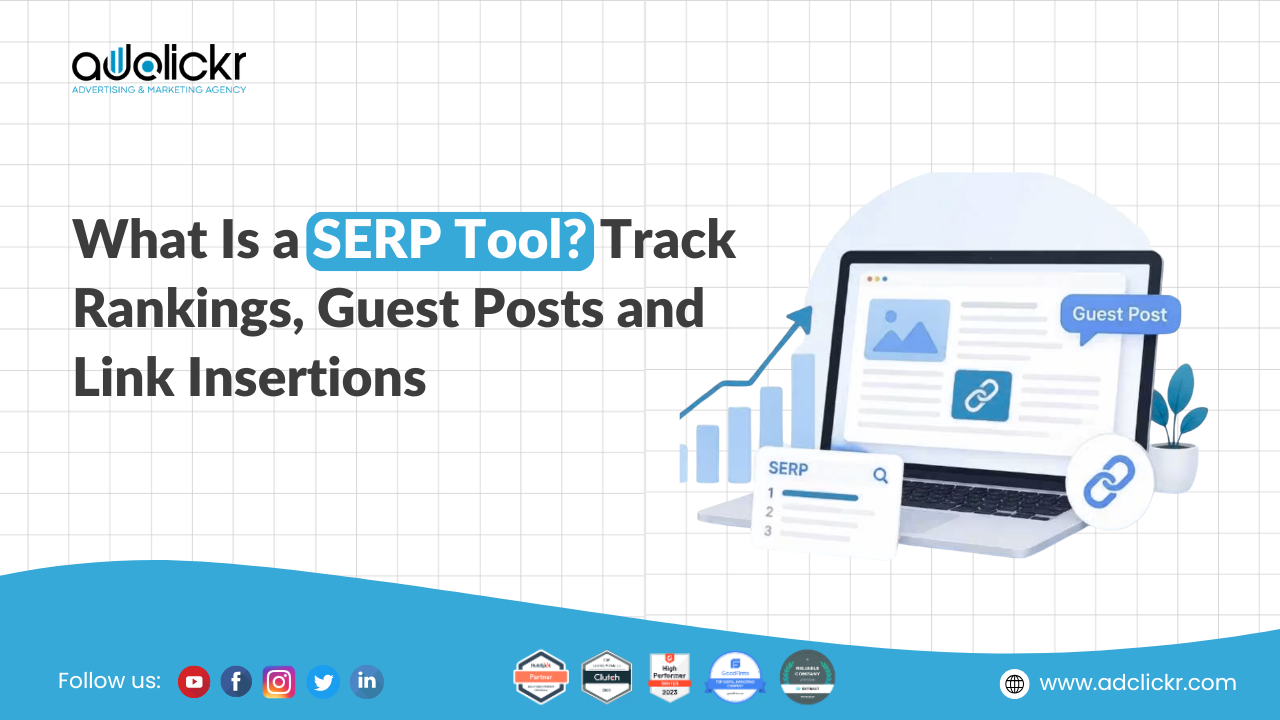
What is a SERP tool and why does it matter?
Every serious SEO campaign depends on tracking. Without tracking, you are guessing blindly. This guide explains everything in simple terms.
Quick Answer: A SERP tool tracks keyword rankings across search engines. It monitors positions, guest posts, and link insertions. This data helps marketers measure real SEO progress accurately and consistently over time.
Introduction
A SERP tool is essential for modern SEO work. It shows exactly where your pages rank. It also reveals how guest posts and link insertions perform over time. This article covers everything you need to know.

Many marketers publish content without measuring results. That approach wastes time and budget quickly. A proper tracking system removes the guesswork completely.
What Is a SERP Tool
A SERP tool tracks how websites rank on search engines. It checks positions for chosen keywords daily. Most tools also track competitor movements simultaneously.
This term connects closely with SERP check activities. Every SERP check reveals current standing for a keyword. Regular checks show whether your strategy is working.
Modern tools go far beyond basic ranking numbers. They also track featured snippets, local packs, and other features. This gives a fuller picture of search visibility.
Why Businesses Need SERP Insight Tools
SERP insight tools help businesses make informed decisions. Without data, teams often chase the wrong priorities. Insight tools remove that uncertainty entirely.
Agencies offering SEO services rely on these tools daily. They track hundreds of keywords across multiple clients. This data justifies strategy changes with clear evidence.
Business owners also benefit directly from this visibility. Watching rankings improve builds confidence in the process. It also highlights areas needing immediate attention.
Tools focused on local SEO help smaller businesses too. Local rankings shift constantly based on competition. Regular monitoring keeps local visibility strong and consistent.
Core Features of a Good SERP Tool
Not every SERP tool offers the same value. Strong tools share several core features. Understanding these features helps you choose wisely.
Rank Tracking
This is the primary function of any SERP tool. It shows daily or weekly position changes. Accurate tracking depends on proper keyword research beforehand.

Choosing the right keywords matters greatly here. Reviewing keyword search volume ensures you track terms with real demand. Tracking irrelevant keywords wastes valuable time.
Competitor Monitoring
Good tools also track competitor rankings closely. This reveals gaps in your current strategy. Seeing competitor movement helps you react quickly.
Guest Post Tracking
SERP insight guest post tracking shows outreach results clearly. It confirms whether published guest posts actually help rankings. This connects content efforts directly to ranking outcomes.
Guest posting remains a strong strategy when done correctly. Following a solid backlink audit guide ensures these posts stay high quality. Poor guest posts can hurt rankings instead of helping.
Link Insertion Monitoring
SERP insight link insertion tracking checks placed links specifically. It confirms links remain live and indexed properly. This prevents wasted investment in disappearing placements.
Link insertions differ slightly from full guest posts. They involve adding links to existing published content. Tracking tools confirm these insertions stay active over time.
How SERP Insight Tools Track Rankings
Most SERP tools work through automated search simulations. They send queries repeatedly from different locations. This mimics real user search behavior accurately.
Location matters significantly during tracking. Rankings often differ between cities and regions. Reviewing local SEO ranking factors explains why this happens.
Device type also affects results shown. Mobile and desktop rankings sometimes differ noticeably. Good tools track both separately for accuracy.
Technical health influences tracking accuracy too. Sites following proper technical SEO audit checklist practices rank more consistently. Broken pages create unreliable tracking data.
Guest Posts and SERP Tools
Guest posting builds authority through relevant external websites. A SERP tool measures whether this effort pays off. It tracks ranking changes after each published post.

This process requires patience and consistency. Rankings rarely jump immediately after one guest post. Tracking over several weeks shows the real trend clearly.
Content quality still matters enormously here. Following content audit guide principles keeps guest content strong. Weak content rarely earns lasting ranking improvements.
Businesses in specific industries benefit differently too. Sites offering content writing services often manage this entire guest posting process. This includes writing, outreach, and tracking together.
Link Insertions and SERP Tools
Link insertion involves adding links into existing articles. This method builds authority faster than new content sometimes. Tracking tools confirm whether these links help rankings.
Relevance remains critical for this tactic. Links placed on unrelated pages rarely help much. Choosing contextually relevant pages improves results significantly.
Monitoring tools check link status regularly. Links sometimes get removed after payment or time passes. Catching these removals early protects your investment properly.
Combining link insertions with strong ecommerce SEO practices works well for online stores. Product and category pages benefit from targeted external links.
Choosing the Right SERP Tool
Selecting a tool depends on your specific goals. Some tools focus purely on rank tracking. Others combine tracking with broader SEO features.
Consider AI Powered Options
Many modern platforms now include AI features. Exploring best AI SEO tools reveals strong options available today. These tools often predict ranking trends faster.
Reviewing AI SEO software helps teams save research time. Automated insights reduce manual analysis work significantly.
Look at GEO Compatibility
Search behavior is shifting toward AI answers now. Understanding GEO tools prepares your strategy for this shift. Traditional SERP tracking alone may not stay sufficient.

Studying geo strategy alongside SERP tracking gives fuller visibility. Both approaches increasingly overlap in modern search.
Match Tools to Business Size
Small businesses need simpler, affordable tools. Larger companies often need enterprise level tracking instead. Reviewing enterprise SEO approaches helps bigger teams choose correctly.
Franchise businesses face unique tracking needs too. A detailed franchise SEO approach handles multiple location tracking properly.
Step by Step: Setting Up SERP Tracking
Setting up tracking correctly saves time later. Follow these simple steps carefully.
- List your target keywords clearly
- Group keywords by page or topic
- Add competitor domains for comparison
- Set tracking frequency, daily or weekly
- Review reports consistently every week
Skipping proper setup often causes messy data later. Taking time here prevents confusion down the road.
Common Mistakes When Using SERP Tools
Many users misuse SERP tools without realizing it. These mistakes waste time and produce misleading conclusions.
- Tracking too many irrelevant keywords
- Ignoring mobile versus desktop differences
- Checking rankings too infrequently
- Forgetting to track competitors too
- Overreacting to daily ranking fluctuations
Following how to know if your SEO is working helps avoid these errors. Patience and consistency matter more than daily obsession.
SERP Tools for Ecommerce and Local Businesses
Different business types need different tracking approaches. Ecommerce stores track thousands of product keywords simultaneously. Local businesses focus more on nearby search visibility instead.

Local companies benefit from checking how Google My Business improves local rankings. This connects directly with local SERP tracking efforts.
Restaurants and healthcare providers face unique challenges too. Guides like local SEO for restaurants and SEO for hospitals show tailored approaches. Every industry needs slightly different tracking priorities.
The Future of SERP Tools
Search is evolving quickly with AI integration. Future SERP tools will likely track AI generated answers too. This connects closely with answer engine optimization practices.
Understanding what is AI SEO prepares marketers for these changes. Traditional ranking data will remain valuable alongside newer metrics.
Automation will likely handle more reporting work soon. Following SEO automation trends helps teams stay efficient. Manual tracking methods are slowly becoming outdated.
Technical Foundations That Support Accurate Tracking
Reliable SERP tracking depends on solid technical setup first. Broken pages or blocked content skew results badly. Fixing these issues improves both rankings and tracking accuracy.
Proper canonical tags prevent duplicate content confusion during tracking. Search engines sometimes rank the wrong page version otherwise. This creates misleading data inside your SERP tool.
Sites using heavy scripts need extra attention too. Understanding JavaScript SEO ensures Google reads content correctly first. Poor rendering can hide pages from tracking entirely.
Large sites also benefit from proper pagination SEO practices. This keeps paginated content organized and indexable. Confused crawlers often produce inconsistent ranking data.
Mobile performance matters heavily as well. Following mobile first indexing guidelines keeps mobile rankings stable. Most tracking tools now prioritize mobile results by default.
Speed also influences both rankings and user trust. Reviewing site speed optimization tips helps pages load faster everywhere. Faster pages generally hold rankings more consistently over time.
SERP Tools for Amazon and Marketplace Sellers
Amazon sellers rely on SERP style tracking too. Product rankings shift constantly based on competition. Watching these changes closely protects sales and visibility.
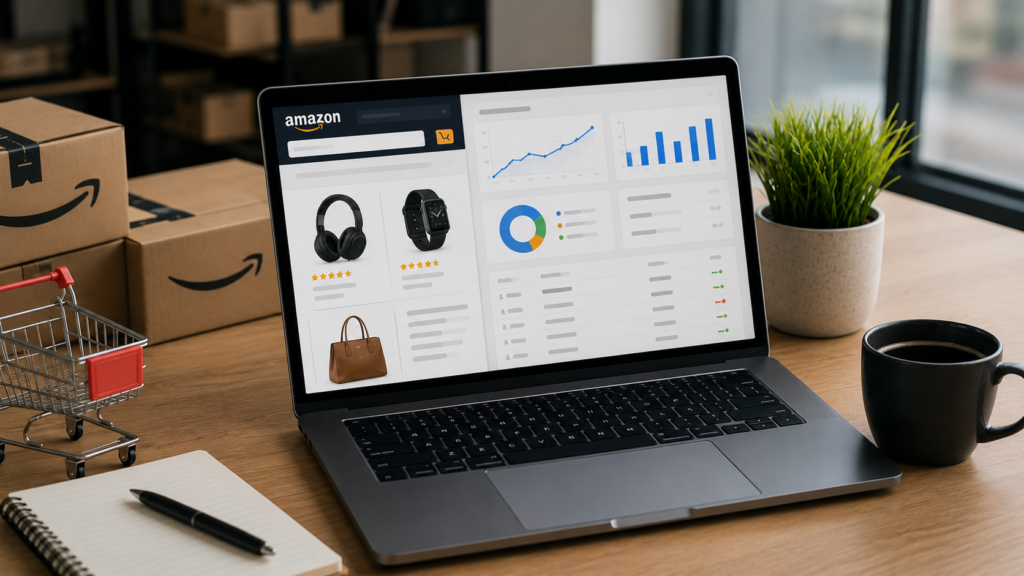
Proper Amazon keyword research forms the foundation of this tracking. Sellers need accurate data before setting tracking goals. Guessing keywords wastes advertising budget quickly.
Reviewing best Amazon SEO tools helps sellers choose wisely. Many tools combine ranking data with advertising performance together. This gives a fuller picture of marketplace visibility.
Sellers running ads also benefit from tracking insights. Managing Amazon PPC campaigns alongside organic tracking improves overall strategy. Both channels influence product page rankings together.
SERP Tools and Content Marketing Strategy
Tracking tools work best alongside broader marketing planning. Content should always connect back to funnel goals. Random content rarely produces measurable ranking gains.
Mapping content against a clear marketing funnel improves targeting significantly. Each piece should serve a specific stage intentionally. This makes tracking results far more meaningful.
Running a funnel audit checklist regularly catches weak spots early. Leaks often appear between content and conversion stages. Fixing these leaks improves overall campaign performance.
Following a broader digital marketing strategies guide keeps tracking efforts aligned. SERP data becomes far more useful within a complete strategy.
How Agencies Use SERP Insight Data
Agencies rely heavily on tracking data for reporting. Clients expect clear proof of ranking progress monthly. SERP tools make this reporting process much easier.
Enterprise clients often need deeper reporting detail. Reviewing enterprise digital marketing services shows how agencies scale this reporting. Larger accounts require more sophisticated tracking systems.
Franchise clients face similar reporting challenges too. Following franchise digital marketing ROI strategies helps agencies prove value across locations. Consistent tracking becomes essential at this scale.
Strong agencies also build clear dashboards for clients. Using analytics reporting dashboards makes ranking data easy to understand. Visual reports build trust faster than raw spreadsheets.
Following a complete data driven marketing guide ties everything together neatly. SERP insight becomes one part of a larger measurement system.
SERP Tools for WordPress and Custom Websites
Website structure affects tracking accuracy too. Poorly built sites often rank inconsistently across pages. A strong technical foundation supports better tracking results.

Businesses using WordPress website development should still monitor rankings closely. Plugins and themes can sometimes slow page speed unexpectedly. Slower pages often show weaker ranking stability over time.
Custom built sites face similar concerns too. Working with a custom website development team ensures technical health stays strong. Clean code generally supports more reliable SERP tracking results.
Good website design services also consider SEO from the start. Building tracking friendly sites early saves headaches later. Prevention always works better than fixing problems afterward.
Manual Checks Versus Automated SERP Tools
Some marketers still run manual SERP checks occasionally. This means searching keywords by hand directly. It works fine for a handful of terms only. Larger campaigns quickly outgrow this manual approach though.
Manual checking becomes unreliable at larger scale though. Personalization and location often skew manual results. Automated tools remove this bias through consistent methods.
Automated SERP tools also save enormous amounts of time. Checking hundreds of keywords manually would take hours daily. Automation handles this work within minutes instead.
However, manual checks still have occasional value. Quickly verifying a single ranking sometimes makes sense. Combining both methods often works best overall.
SERP Tools and Social Signals
Social media activity does not directly control rankings. However, it often supports content visibility indirectly. SERP tools sometimes track this connection too.
Content shared widely often earns more natural backlinks. Reviewing social media marketing strategy helps content reach wider audiences first. Wider reach sometimes leads to stronger ranking signals later.
Using proper social media marketing tools alongside SERP tracking gives fuller context. Marketers can see which content earns both shares and rankings.
Agencies managing full campaigns often combine both areas. A social media marketing agency frequently tracks SERP data alongside engagement metrics. This combined view shows true content performance clearly.
External Resources Worth Reviewing
For deeper technical understanding, Google’s own Search Central documentation explains ranking systems clearly. Moz also offers a helpful breakdown of SERP tracking basics.
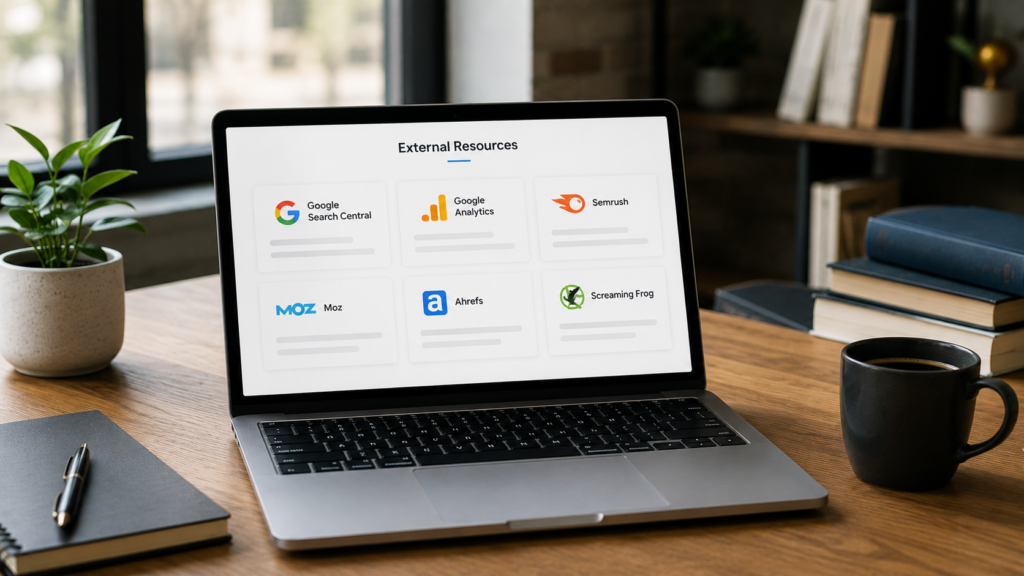
Search Engine Journal regularly covers ranking tool updates too. Ahrefs provides useful data through its SEO blog for tool comparisons.
Semrush also offers strong position tracking features worth exploring further. These resources help teams choose tools confidently.
Frequently Asked Questions
A SERP tool tracks keyword rankings across search engines automatically. It monitors position changes, competitor movement, guest posts, and link insertions. This data helps marketers measure whether their SEO strategy delivers real results.
Most businesses benefit from weekly SERP checks for accuracy. Highly competitive industries sometimes need daily tracking instead. Frequency depends on keyword competition, budget, and how quickly rankings typically fluctuate.
Yes, many SERP insight tools track guest post rankings specifically. They show whether published posts improved keyword positions afterward. This helps marketers justify guest posting budgets with clear, measurable evidence.
Link insertion tracking confirms placed links remain live and indexed properly. It protects your investment by catching removed or broken links early. This ensures ongoing value from paid or earned placements.
Free tools work fine for small websites with few keywords. Larger businesses usually need paid tools for accuracy and scale. Paid options often include competitor tracking and deeper reporting features.
Conclusion
A SERP tool remains essential for measuring SEO success. It tracks rankings, guest posts, and link insertions accurately. This visibility turns guesswork into clear, actionable data.
Businesses that track consistently make smarter decisions faster. Combining strong tools with quality content produces lasting results. Ignoring this data usually leads to wasted budget and slow progress over time.
Agencies offering AI SEO services help simplify this entire tracking process. Start small, track consistently, and let the data guide your next move. Real progress always shows up in the numbers eventually.

About the author
Ujjwal Kumawat
I specialize in SEO, website development, Google Ads and online business growth strategies. Through my blogs, I share practical insights, marketing tips and proven strategies to help businesses improve their online visibility, generate more leads and grow faster in the digital space.