What is organic search and why does it matter?
Every unpaid click starts here. It shapes how businesses grow online today. This guide explains everything clearly.
Quick Answer: Organic search refers to unpaid results shown after a query. It includes pages ranked by relevance and authority. This traffic source remains vital for long term business growth and lasting brand visibility.
Introduction
Organic search drives most website traffic worldwide today. It represents visits earned through relevance, not payment. This article explains the organic search definition simply. It also covers results, keywords, and tracking methods.
Many businesses depend heavily on this traffic source. Paid ads stop working the moment budgets end. Organic visibility keeps working long after content publishes.
Organic Search Definition Explained
The organic search definition covers unpaid search engine listings. These results appear based on relevance and quality. No payment influences their position directly.
Search engines rank these pages using complex algorithms. They evaluate content, technical health, and backlinks together. Strong pages naturally rise above weaker competitors over time.
This differs sharply from paid advertising placements. Paid listings appear instantly once campaigns launch. Organic listings require sustained effort and patience instead.
Organic Search Results Versus Paid Results
This results sit separately from paid advertisements. Google labels ads clearly to avoid confusion. Users often trust organic listings more than ads.
Paid results disappear immediately once spending stops completely. Organic results can continue driving traffic for years. This makes organic visibility a long term business asset.
Agencies offering SEO services focus heavily on this distinction. They build strategies designed for lasting organic growth. Paid specialists instead prioritize immediate campaign performance.
How Organic Search Results Work
Search engines follow a consistent three step process. They crawl, index, and finally rank web pages. Understanding this process helps explain ranking behavior.
Crawlers first discover new and updated pages online. They follow links across the entire web constantly. This discovery process never fully stops running.
Indexing stores discovered pages inside massive databases. Only indexed pages can appear in results later. Blocked or broken pages often get skipped entirely.
Ranking systems then decide result order for each query. Hundreds of factors influence this final decision. Relevance, authority, and user experience all matter greatly.
Technical Foundations That Support Rankings
Technical health strongly influences organic search performance. Proper canonical tags prevent duplicate content confusion. This helps search engines index the correct page version.

Sites using heavy scripts need extra attention too. Understanding JavaScript SEO ensures content gets read correctly. Poor rendering can hide important content from crawlers.
Large websites also benefit from proper pagination SEO practices. This keeps paginated content organized and easily crawlable. Confused crawlers often waste valuable crawl budget otherwise.
Mobile performance remains critical as well. Following mobile first indexing guidelines protects mobile rankings. Most searches today happen through mobile devices.
Organic Search Keywords and Research
Organic search keywords form the foundation of any strategy. These are terms people actually type into search engines. Choosing them correctly determines your entire content direction.
Strong keyword research starts every successful organic campaign. Understanding keyword search volume reveals genuine search demand. Guessing keywords wastes both time and budget quickly.
Using proper keyword search tools makes this process far easier. These tools reveal competition levels alongside search volume. This combination helps prioritize which keywords to target first.
Blogging niches benefit from focused research too. Reviewing keyword research for blogging helps writers choose relevant topics. Video content also needs its own keyword approach.
Checking keyword search for YouTube helps creators target video specific searches. Different platforms often require slightly different keyword strategies.
Organic Search Engine Marketing Explained
Organic search engine marketing combines SEO with broader strategy. It focuses on earning visibility rather than buying it. This approach builds sustainable traffic over time.
This strategy relies heavily on content quality. Following a content audit guide helps identify weak or outdated pages. Updating these pages often improves rankings quickly.
Backlinks also play a central role here. A clear backlink strategy builds authority across the entire website. Running a backlink audit guide removes harmful or spammy links.
Anchor text choices matter too within this strategy. Using an anchor text generator helps diversify link phrasing naturally. Proper anchor text usage avoids looking manipulative to search engines.
Tracking Organic Search in Google Analytics
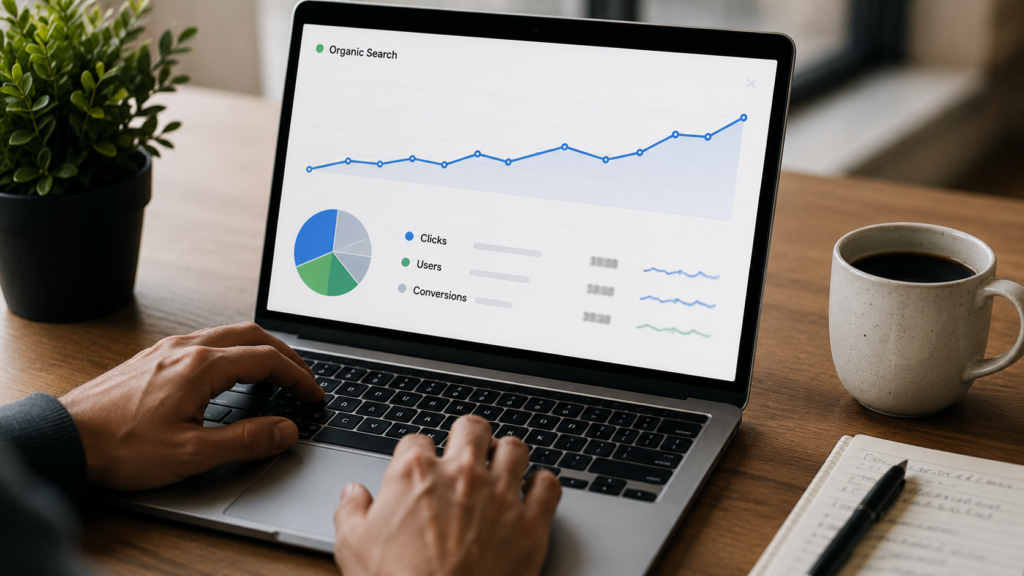
Measuring organic search in Google Analytics reveals real performance. It shows exactly which pages attract unpaid visitors. This data guides smarter content decisions going forward.

Analytics separates organic traffic from paid and social sources. This separation helps teams understand true SEO impact. Mixing traffic sources often leads to confused reporting.
Learning to check organic traffic regularly builds valuable habits. Weekly reviews reveal trends before they become serious problems. Sudden drops often signal technical or algorithm issues.
Businesses focused on growth also track how to increase organic traffic consistently. Combining analytics data with keyword tracking gives fuller context. Numbers alone rarely tell the complete story though.
Why Organic Search Matters for Businesses
Organic search remains one of the most valuable traffic sources. It brings visitors actively searching for solutions already. This intent often leads to stronger conversion rates.
Unlike ads, organic visibility compounds over time naturally. Older, well optimized pages keep attracting visitors for years. This creates lasting value from a single content investment.
Trust also plays a major role in this preference. Many users skip ads and click organic listings instead. Strong rankings therefore build brand credibility simultaneously.
How to Improve Organic Search Visibility
Improving organic visibility takes consistent, focused effort. Below are proven steps most successful sites follow closely.
- Research keywords with real search demand
- Fix technical issues blocking proper indexing
- Publish genuinely useful, well structured content
- Build relevant backlinks from trusted sites
- Monitor rankings and traffic consistently
Strengthen Domain Authority
Domain authority reflects overall site trustworthiness clearly. Checking your domain authority checker results regularly tracks progress. Rising scores usually reflect stronger backlink profiles.
Focused efforts to increase domain authority pay off gradually. This process requires patience and consistent quality content. Shortcuts often backfire and damage rankings instead.
Improve Core Technical Performance
Site speed influences both rankings and user experience. Reviewing core web vitals optimization helps pages load faster. Faster sites generally hold organic rankings more consistently.

Running a full technical SEO audit checklist catches hidden problems early. Small fixes sometimes produce noticeable ranking improvements within weeks.
Strengthen Local Organic Visibility
Local businesses need focused organic strategies too. Following proven local SEO strategies improves nearby search visibility. A detailed local SEO audit reveals missing citations or errors.
Industries like local SEO for restaurants and local SEO for dentists show tailored approaches work best. Every niche needs slightly different local tactics.
Organic Search for Ecommerce Businesses
Ecommerce stores compete across thousands of product pages daily. Following solid ecommerce SEO practices keeps these pages visible. Category and product pages both need dedicated optimization attention.
Larger online stores sometimes need specialized help too. Agencies offering ecommerce SEO services manage this complexity effectively. Product feeds, schema, and site structure all matter here.
Common Organic Search Mistakes to Avoid
Many websites lose organic visibility through avoidable errors. Awareness of these mistakes saves significant time and effort.
- Ignoring page speed and core vitals
- Skipping proper schema markup
- Publishing thin or duplicate content
- Neglecting mobile usability
- Buying spammy or irrelevant backlinks
Following a schema markup complete guide helps avoid several of these issues. Small technical fixes often bring noticeable ranking improvements quickly.
Organic Search and the Rise of AI Search
Search behavior continues shifting toward AI generated answers. This shift is called generative engine optimization, or GEO. Traditional organic search tactics still matter, but rules are evolving.
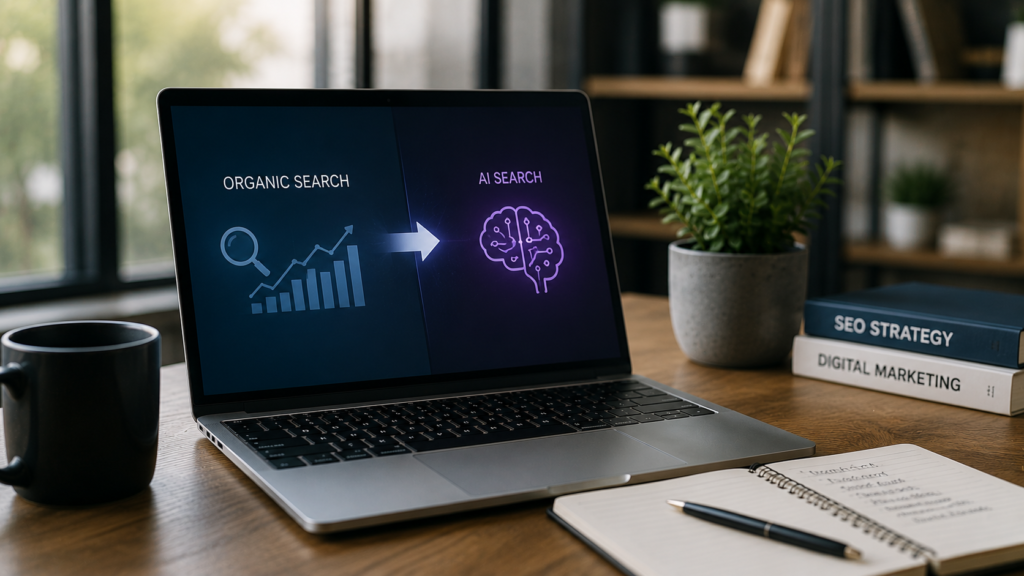
Understanding GEO vs SEO helps marketers prepare properly for this change. Many brands now study GEO tools to measure new visibility types.
Answer focused content performs well across both systems. Reviewing answer engine optimization helps writers structure content for direct answers. This dual approach protects future organic traffic effectively.
Organic Search and Content Marketing Strategy
Organic search works best within a broader content plan. Random content rarely produces consistent ranking gains. Mapping content against real search intent matters greatly.
Aligning content with a clear marketing funnel improves targeting significantly. Each page should serve a specific search intent stage. This makes organic traffic far more valuable overall.
Following a complete digital marketing strategies guide keeps organic efforts aligned properly. Organic search becomes far more effective inside a complete strategy.
Organic Search Reporting for Agencies
Agencies rely heavily on organic search data for reporting. Clients expect clear proof of traffic growth monthly. Analytics dashboards make this reporting process much easier.
Using analytics reporting dashboards makes organic data easy to understand. Visual reports build client trust faster than raw spreadsheets do.
Following a complete data driven marketing guide ties organic results into broader business goals. Organic search becomes one part of a larger measurement system.
Enterprise clients often need deeper reporting detail too. Reviewing enterprise digital marketing services shows how agencies scale this work. Larger accounts require more sophisticated tracking systems overall.
Organic Search for Enterprise and Franchise Brands
Larger businesses face unique organic search challenges. Multiple departments and locations complicate strategy execution significantly. A clear enterprise SEO approach keeps everything aligned properly.

Franchise businesses also need specialized organic strategies. Reviewing a franchise SEO playbook helps scale visibility across many locations. Consistency across listings becomes critical at this scale.
Businesses operating across countries face extra complexity too. Following a solid international SEO strategy guide helps structure this correctly. Multi location brands benefit from a dedicated multi location SEO guide as well.
How to Perform an Organic Search Audit
Regular audits keep organic performance healthy over time. Following how to perform an SEO audit reveals hidden weaknesses quickly. This process should happen at least quarterly for most sites.
Start by reviewing top landing pages for organic traffic. Check whether rankings match current search intent accurately. Outdated pages often need fresh content or restructuring.
Next, review technical health across the entire site. Broken links, slow pages, and indexing errors all hurt performance. Fixing these issues usually restores lost visibility fairly quickly.
Finally, review backlink quality and anchor text distribution. Removing harmful links protects your domain authority over time. Healthy backlink profiles support long term organic growth.
Organic Search Automation and Efficiency
Manual tracking becomes difficult as websites grow larger. Following SEO automation trends helps teams work more efficiently. Automated reports save hours of manual analysis work weekly.
Automation also helps catch problems faster than manual reviews. Sudden ranking drops trigger alerts before major damage occurs. This proactive approach protects organic traffic more effectively.
Site speed automation tools help too. Reviewing site speed optimization tips keeps pages fast without constant manual checks. Faster sites generally maintain stronger organic rankings consistently.
Organic Search Across Specialized Industries
Different industries face unique organic search challenges. Healthcare and logistics businesses often deal with strict competition. Tailored strategies work far better than generic approaches here.

Reviewing SEO for hospitals shows how healthcare providers build trust online. Medical content requires accuracy alongside strong keyword targeting.
Logistics companies face different organic search demands entirely. Following SEO for logistics and transportation websites helps this niche compete effectively. Service area pages matter greatly for this industry.
Content Length and Organic Search Performance
Content length influences organic search performance in complex ways. Longer content is not automatically better content. Depth and relevance matter more than raw word count.
Understanding how to identify the right content length helps writers plan properly. Matching competitor depth often works better than arbitrary word targets.
Short, focused pages sometimes outperform lengthy ones. This depends heavily on search intent behind each keyword. Testing different formats reveals what truly works.
Organic Search and Social Media Signals
Social media does not directly control organic rankings. However, it often supports content visibility indirectly. Wider content reach sometimes leads to more natural backlinks.
Following a solid social media marketing strategy helps content reach broader audiences first. This wider exposure occasionally strengthens organic search performance over time.
Businesses managing both channels together see clearer results. Comparing social engagement against organic traffic reveals valuable content insights. Combined strategies typically outperform single channel approaches significantly.
External Resources Worth Reviewing
For deeper technical understanding, Google’s own Search Central documentation explains ranking systems clearly. Google also offers detailed Analytics support guides for tracking organic traffic.

Moz provides a helpful breakdown of organic search basics. Search Engine Journal regularly covers organic search updates too.
Ahrefs offers useful research through its SEO blog for competitive analysis. These resources help teams stay current with algorithm changes.
Frequently Asked Questions
Organic search refers to unpaid results shown after a search query. These listings rank based on relevance, authority, and quality signals. No advertising payment influences their position within these natural search results.
Organic search results appear naturally based on ranking algorithms. Paid search results appear through advertising bids instead. Organic traffic continues after campaigns end, while paid traffic stops immediately once spending stops.
Organic search keywords reveal what people actually search for online. Targeting the right keywords ensures content matches real search demand. This alignment improves both rankings and overall conversion rates significantly over time.
Google Analytics separates organic traffic from paid, social, and direct sources. This allows businesses to measure SEO performance clearly. Regular tracking reveals trends, drops, and opportunities within your organic strategy.
Yes, organic search remains highly relevant despite AI search growth. Many ranking factors overlap between traditional SEO and generative engine optimization. Strong organic fundamentals continue supporting visibility across both search formats effectively.
Conclusion
Organic search remains central to sustainable business growth. Understanding its definition, results, and tracking builds a strong foundation. From keywords to Google Analytics, every piece connects together.
Businesses that invest consistently in organic visibility outperform competitors long term. Combining technical fixes, strong content, and smart keyword targeting works best.
Agencies offering AI SEO services help simplify this entire process for growing brands. Mastering organic search fundamentals today prepares your business for lasting success tomorrow.
Start with a single technical fix this week. Improve one weak page the following week. Small, consistent steps build stronger organic search results over time.

About the author
Ujjwal Kumawat
I specialize in SEO, website development, Google Ads and online business growth strategies. Through my blogs, I share practical insights, marketing tips and proven strategies to help businesses improve their online visibility, generate more leads and grow faster in the digital space.