How can you check organic traffic for your site?
You can check organic traffic in several ways. Free and paid tools both work well. Knowing your numbers guides smarter SEO decisions. Guessing rarely leads to real growth.
This guide explains how to run an organic traffic check. You will learn about free options and ahrefs organic traffic reports. We also cover paid tools for deeper insight.
What Does It Mean to Check Organic Traffic?
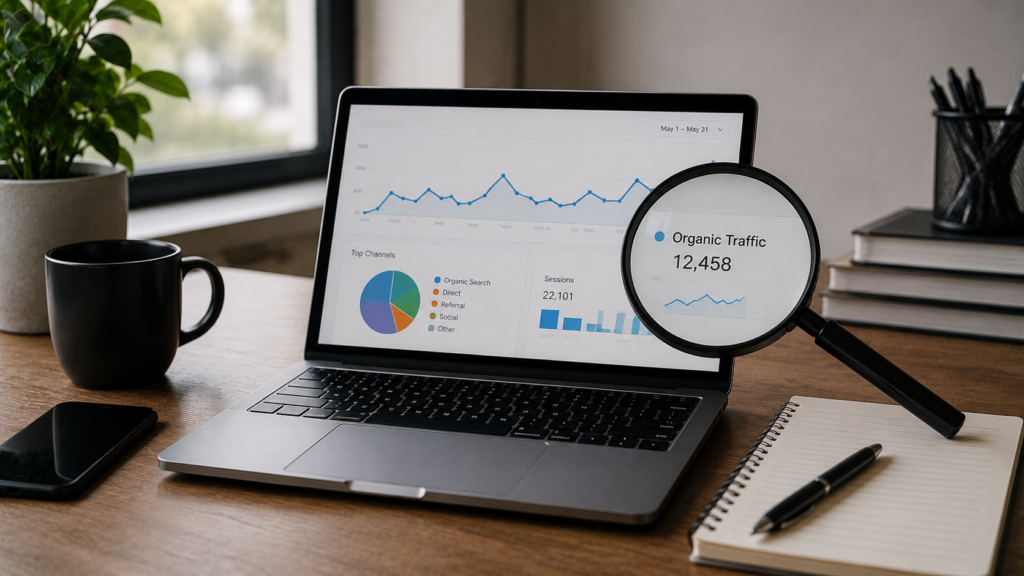
To check organic traffic means reviewing unpaid search visits. This data shows how many people find you naturally. No ad spend contributes to this specific number.
According to Google’s SEO starter guide, strong content and technical health drive traffic. Better rankings usually lead to higher numbers.
Understanding this metric helps you judge SEO progress fairly. It separates true search performance from other channels entirely.
Why You Should Check Organic Traffic Regularly
Regular checks reveal whether your SEO efforts work. Rising numbers confirm your strategy is succeeding. Falling numbers signal a need for adjustment.
This habit connects closely with how to know if your SEO is working. Both processes rely on consistent, honest data review.
Website organic traffic check routines also catch technical problems early. Sudden drops often point to crawling or indexing issues.
Consistent tracking also builds a valuable historical record. This history helps you separate normal fluctuation from real trends.
How to Check Organic Traffic Using Google Analytics
Google Analytics remains the most popular free option. Navigate to the Acquisition section inside your account. Look for the Organic Search channel there.
According to Google Analytics Help documentation, channel groupings classify traffic by source. This report shows sessions, users, and behavior data.
Compare monthly totals to spot trends over time. Steady growth confirms your organic traffic website performance improving.
Segment this data by landing page for deeper insight. This reveals exactly which pages drive the most visits.
How to Check Organic Traffic Using Google Search Console
Search Console shows real search performance data directly. Open the Performance report inside your account. Filter results by query, page, or country.
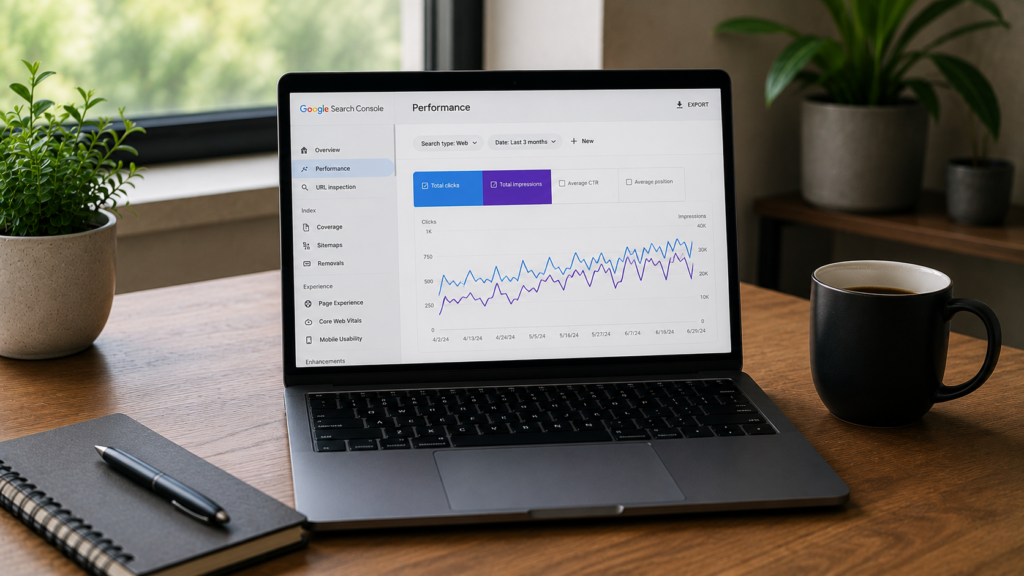
This tool reveals impressions, clicks, and average position together. Rising clicks often confirm growing organic visibility. Falling impressions may signal ranking problems developing.
Pair this data with keyword research for SEO for deeper context. Understanding demand helps explain your traffic patterns.
Export this data monthly for long term comparison. Spreadsheets make spotting slow, gradual changes much easier.
Free Tools to Check Organic Traffic Website Data
Several free tools help beginners check organic traffic. Each offers different strengths and data limits.
Google Analytics
Google Analytics offers detailed, free traffic reporting. It remains essential for every serious website owner. Setup takes only a few minutes.
Google Search Console
Search Console shows real query and click data. It works well alongside Analytics for full context. Both tools together paint a complete picture.
Ubersuggest
Ubersuggest offers a simple organic traffic check tool. It estimates traffic for any domain quickly. The interface suits beginners exploring competitor data.
Bing Webmaster Tools
Bing Webmaster Tools tracks organic traffic from Bing search. Many marketers overlook this smaller but useful data source. It remains completely free to use.
Paid Tools to Check Organic Traffic Website Performance
Paid tools offer deeper, more detailed traffic data. They suit agencies and growing marketing teams well.
Ahrefs Organic Traffic Reports
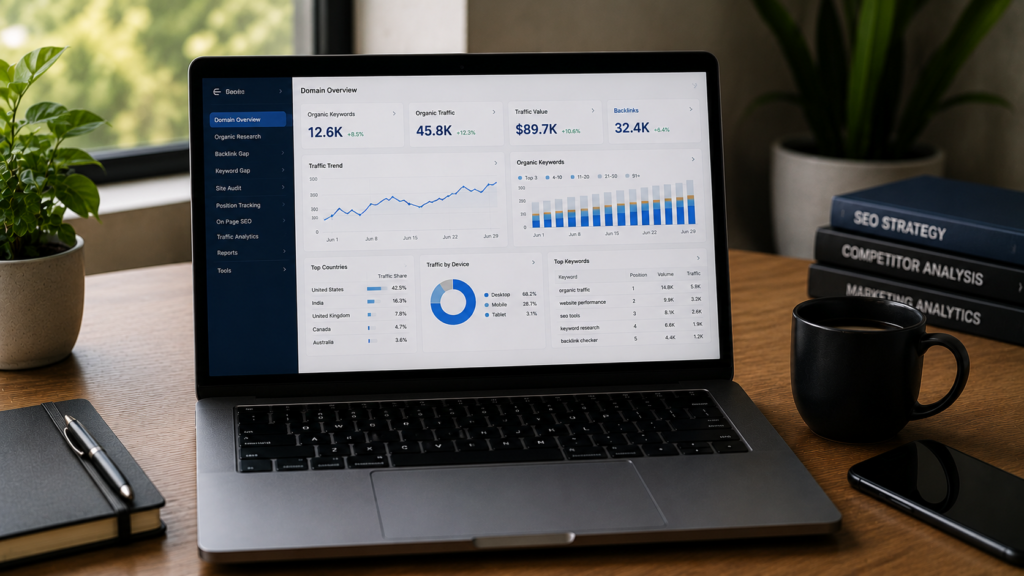
Ahrefs organic traffic reports show detailed keyword rankings. You can see estimated traffic for any domain. This tool excels at competitor research too.
Semrush Organic Research
Semrush provides organic research showing traffic trends clearly. According to Semrush’s Organic Research tool page, users can track keyword positions easily. This helps guide content planning decisions.
SE Ranking
SE Ranking offers organic traffic tracking at a lower cost. It suits smaller businesses needing reliable, affordable data. Reports remain easy to read and share.
Understanding Key Organic Traffic Metrics
Sessions count total visits within a chosen time period. Users count unique visitors during that same period. Both metrics matter for different types of analysis.
Bounce rate shows how often visitors leave quickly. High bounce rates sometimes signal content mismatch problems. Low bounce rates often suggest stronger content relevance.
Average session duration reveals how long visitors stay engaged. Longer sessions often indicate genuinely useful, relevant content. Track this metric alongside your raw traffic numbers.
Organic Traffic Check by Device and Location
Segment your traffic data by device type regularly. Mobile and desktop visitors often behave quite differently. Our core web vitals optimization guide helps improve mobile experience specifically.
Location data reveals which regions engage most strongly. This insight supports smarter, more targeted content decisions. Global brands should review this segmentation carefully.
How to Check a Competitor’s Organic Traffic
Enter a competitor’s domain into your chosen tool. Review their top pages and keywords. This reveals proven opportunities in your niche.
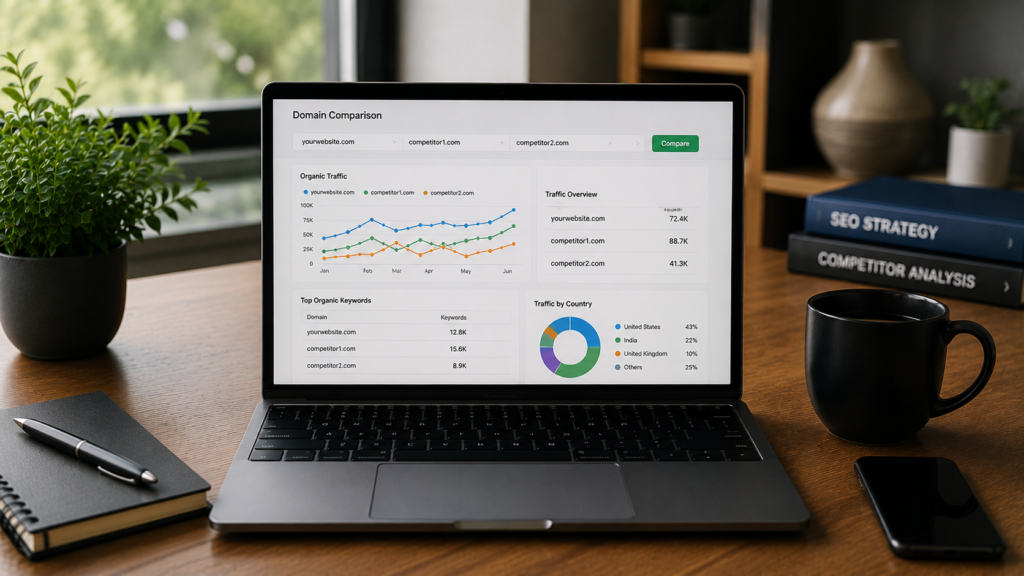
Compare their organic traffic website growth against yours. Notice which content formats earn them visibility. Apply these lessons to your own strategy.
Our backlink audit guide explains how links often support this traffic growth. Strong links and content usually work together.
Study their fastest growing pages for fresh content ideas. This research often reveals gaps within your own site.
What to Look for When You Check Organic Traffic
Look beyond total numbers for real insight. Check which pages attract the most visits. Notice which keywords drive the most clicks.
Review traffic quality through bounce rate and time on page. High engagement suggests genuinely relevant, useful content. Low engagement may signal a content mismatch.
Segment traffic by device and location too. This reveals opportunities your competitors might be missing.
Watch conversion rates alongside raw traffic numbers closely. Traffic without conversions may need better targeting.
Organic Traffic Check and Content Strategy
Traffic data often reveals content gaps worth filling. Pages earning steady visits usually cover useful topics. Study these patterns for future content planning.
According to Ahrefs’s organic traffic guide, tracking top pages helps prioritize new content. This approach saves wasted publishing effort.
Pair these insights with a clear digital marketing strategy. Content built around proven demand performs far better.
Organic Traffic Check for Content Freshness
Declining traffic often points to outdated content. Review your top pages every few months. Update statistics, examples, and outdated references regularly.
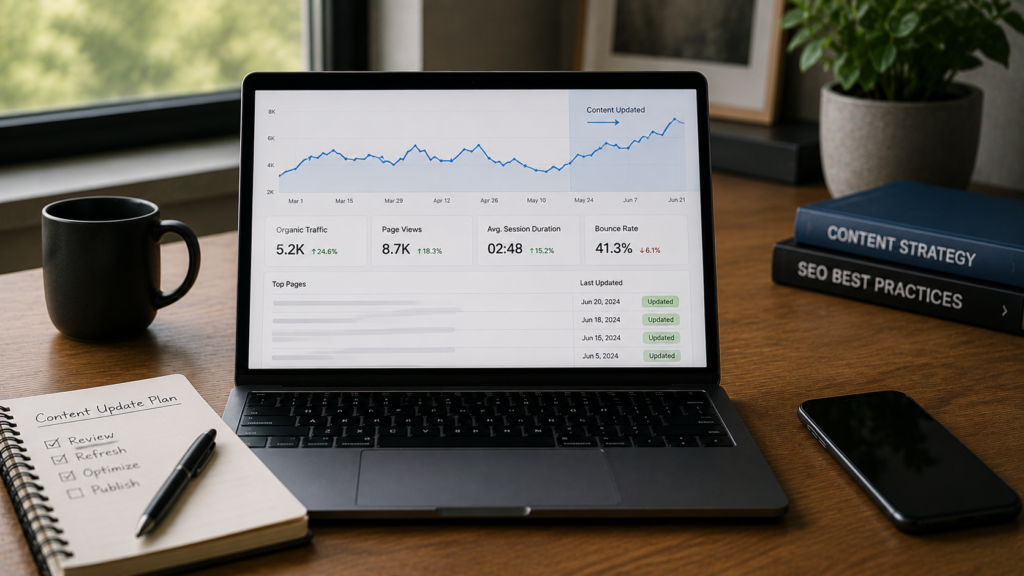
A routine content audit helps identify these declining pages early. Fresh content usually recovers lost organic visibility faster.
Combine content updates with a core web vitals optimization review. Technical health supports every content improvement you make.
Organic Traffic Check Across Global Markets
Brands operating in multiple countries need regional tracking. Traffic patterns often differ significantly across markets. Our international SEO strategy guide covers these regional differences closely.
Segment your reports by country and language. This reveals which markets need more focused attention. Local nuances often explain surprising traffic patterns.
Organic Traffic Check for Different Business Types
Ecommerce brands should check traffic on product pages closely. Our ecommerce SEO service reviews these pages during every audit.
Local businesses benefit from checking location specific pages. Our local SEO team focuses heavily on this traffic segment.
Enterprise brands need scalable tracking across many pages. Our enterprise SEO and franchise SEO teams manage this daily.
Healthcare brands need careful, compliant traffic tracking too. Our SEO for hospitals guide covers relevant considerations for this industry.
Common Mistakes When You Check Organic Traffic
Relying on only one tool limits your view. Different tools estimate traffic slightly differently. Cross checking multiple sources gives fuller data.
Ignoring seasonal patterns causes confusion too. Some industries naturally see traffic swings yearly. Compare data year over year for context.
Skipping technical checks wastes valuable traffic insights. A technical SEO audit checklist helps rule out hidden issues.
Forgetting to track branded versus non branded traffic separately causes confusion. Branded searches often mask true SEO progress on new terms.
How Often Should You Check Organic Traffic?
Check your organic traffic at least once monthly. Growing or competitive websites may benefit from weekly reviews. Consistency helps you catch problems early.
Set calendar reminders to make this a habit. Automating parts of this process saves time. Explore our SEO automation guide for practical workflow ideas.
Using Organic Traffic Data to Improve Strategy
Data means little without action behind it. Use insights to prioritize content updates strategically. Focus effort on pages with real potential.
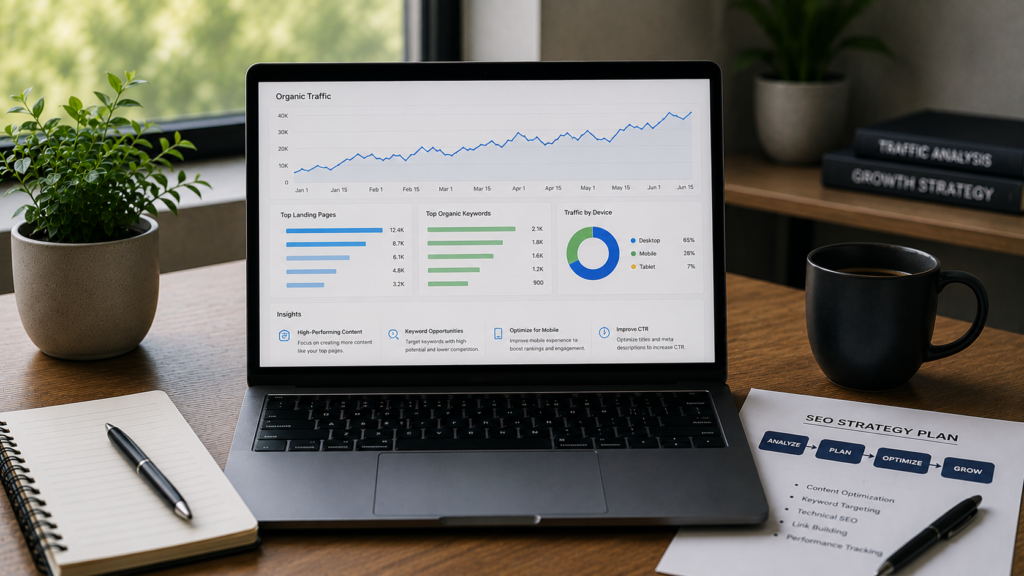
Pair traffic data with analytics and reporting dashboards for clearer tracking. Visual reports help your entire team stay aligned.
Regular SEO audits keep your strategy honest and current. Combine this habit with strong SEO services for lasting results.
Organic Traffic and the Rise of AI Search
Search continues shifting toward AI powered answers. Understanding what is AI SEO helps brands prepare for this shift. Traffic patterns are evolving alongside these changes.
Our AI SEO checker blends traditional signals with modern insights. Explore our best AI SEO tools guide for more platforms.
Building a Consistent Traffic Checking Routine
Consistency matters more than any single tool choice. Pick two or three trusted sources. Review them on the same schedule monthly.
Document your findings for future comparison. This history reveals patterns single checks might miss. Explore our blog for fresh traffic tracking strategies regularly.
Organic Traffic Check Reporting for Teams
Clear reporting keeps stakeholders informed and confident. Show sessions, keyword rankings, and conversion trends together. Visual dashboards make progress easy to understand.
Schedule regular check ins to review this data. Monthly reviews work well for most teams. Consistent reporting builds trust in your ongoing strategy.
Our content writing services team uses this data to guide future content planning. Strong reporting connects data directly to real content decisions.
Comparing Free and Paid Organic Traffic Tools
Free tools work well for small, simple websites. They cover the basics without any cost. Paid tools add depth, history, and competitor insight.
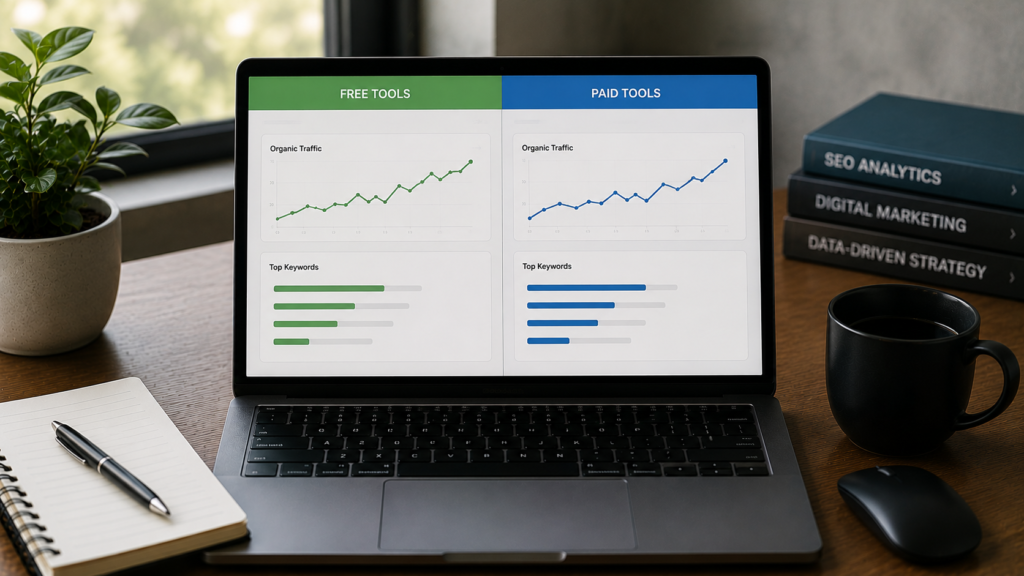
Budget usually determines which option makes sense. Beginners should start with free tools first. Agencies often need paid tools for scale.
Consider your reporting needs before choosing a tool. Client work often requires polished, detailed reports. Personal projects may only need simple numbers.
How Backlinks Influence Organic Traffic Growth
Strong backlinks often support rising organic traffic numbers. Quality links signal trust to search engines directly. This trust frequently translates into better rankings.
Review your backlink profile alongside traffic reports regularly. Growing links often correlate with growing search visibility. Our keyword research guide explains how content and links work together.
Weak or toxic backlinks can quietly limit traffic growth. Regular audits help you catch these hidden issues early.
Organic Traffic Check Tools for Agencies
Agencies often manage traffic checks across many client sites. Bulk reporting features save significant time here. Most paid tools offer this functionality within team plans.
White label reporting matters greatly for client communication. Clear, branded reports build client trust over time. Our SEO services team builds these reports into every engagement.
Training your team on tool interpretation matters too. Raw numbers mean little without proper context. Invest time in understanding what each metric represents.
Organic Traffic Check and Marketing Funnels
Traffic sits at the very top of most funnels. Understanding this stage helps you plan later steps. Our marketing funnel guide explains how traffic connects to conversions.
Not all organic visitors convert at the same rate. Segment traffic by intent to understand this better. Informational visitors behave differently than ready to buy visitors.
Organic Traffic Check Using Third Party Analytics Platforms
Beyond Google tools, several third party platforms track traffic. These platforms sometimes offer simpler, more visual dashboards. Many small businesses prefer this simplified approach.
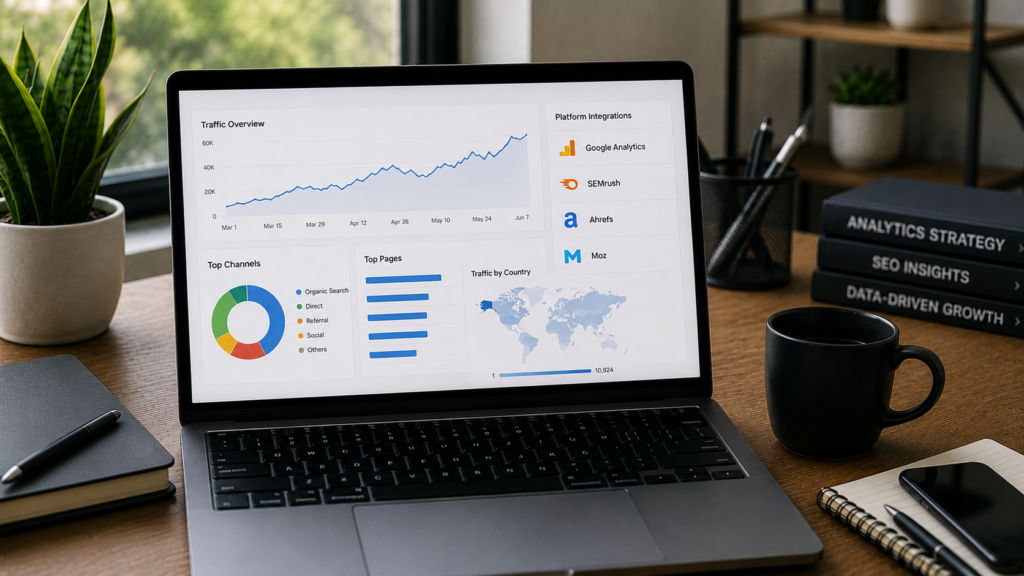
Cross check third party numbers against Google data regularly. Discrepancies sometimes reveal tracking configuration problems. Accurate setup remains essential for reliable reporting.
Organic Traffic Check and Social Media Signals
Social shares can indirectly support organic traffic growth. Content shared widely sometimes earns natural backlinks too. Our social media marketing strategy guide covers this connection further.
Track referral traffic from social platforms separately from organic. This separation keeps your organic numbers accurate and clean.
Setting Realistic Expectations for Organic Traffic Growth
Organic traffic rarely grows overnight after changes. Most improvements take several weeks to show impact. Setting realistic timelines keeps your team motivated.
Track small, steady improvements rather than expecting instant results. Consistency and patience matter more than speed. Explore our blog for more practical SEO guidance.
Organic Traffic Check and Voice Search Trends
Voice search continues shaping how people find content. Conversational queries often differ from typed searches. Optimizing for natural language can support future traffic growth.
Review your top queries for conversational patterns regularly. This insight helps you plan future content formats. Voice search remains a small but growing traffic source.
Final Thoughts on Organic Traffic Monitoring Tools
Choosing the right tools depends on your specific goals. Beginners benefit most from free, simple options. Growing teams eventually need deeper, paid platforms instead.
Whichever tools you choose, consistency matters most. Regular monitoring turns raw numbers into real insight. This insight ultimately drives smarter, more confident SEO decisions.
Frequently Asked Questions
Use Google Analytics and Google Search Console together for free tracking. Both tools show sessions, clicks, and keyword performance clearly. Combined, they provide a complete picture of your organic traffic.
Ahrefs Site Explorer provides detailed organic traffic estimates for any domain. It shows keyword rankings, traffic value, and top pages. This makes it popular among agencies and growing marketing teams.
Yes, tools like Ahrefs, Semrush, and Ubersuggest estimate competitor organic traffic. Enter their domain to see keywords, rankings, and traffic trends. This helps identify opportunities within your own content strategy.
Check your organic traffic website performance at least once monthly. Competitive or fast growing websites may benefit from weekly reviews. Regular checks help you catch ranking drops before they worsen.
Sudden drops often result from algorithm updates, technical issues, or lost rankings. Seasonal changes can also affect certain industries. Reviewing Search Console and analytics data helps identify the exact cause.
Conclusion
Learning to check organic traffic shapes smarter SEO decisions. Free tools like Analytics work well for beginners. Ahrefs organic traffic reports suit growing, competitive strategies.
Make organic traffic check routines a regular habit. Consistent monitoring catches problems before they worsen. Combine this data with strong content and technical health.
A reliable organic traffic website check becomes more valuable over time. Explore our complete SEO services to build a strategy that grows with you.

About the author
Ujjwal Kumawat
I specialize in SEO, website development, Google Ads and online business growth strategies. Through my blogs, I share practical insights, marketing tips and proven strategies to help businesses improve their online visibility, generate more leads and grow faster in the digital space.