
Quick answer: SEO for hospitals helps patients find your services when they search online. Optimise your Google Business Profile, create clear pages for each department and treatment, target local medical searches, show doctor expertise and reviews, and make the site fast and easy to use on mobile.
In today’s digitally-driven world, having an optimized online presence is essential for hospitals and healthcare providers. The competition for visibility in search engines is intense, and patients increasingly rely on online searches to find medical services and make informed decisions about their health. This is where “SEO for hospital websites” comes into play.
Search Engine Optimization (SEO) ensures that your hospital’s website ranks high in search engine results, making it easier for patients to find you when they search for medical services or healthcare providers. But it’s not just about visibility; it’s about building trust, enhancing user experience, and ultimately improving patient outcomes.
For hospitals, effective SEO isn’t a luxury—it’s a necessity. A well-optimized website can:
- Attract more local patients.
- Provide essential health information.
- Establish your hospital as a trusted authority in healthcare.
In this comprehensive guide, we’ll delve into actionable strategies for optimizing a hospital website. Whether you’re new to SEO or looking to refine your strategy, these tips will ensure your hospital’s website is both patient- and search-engine-friendly.

Actionable Steps for Effective SEO for Hospital Websites
1. Perform an SEO Audit
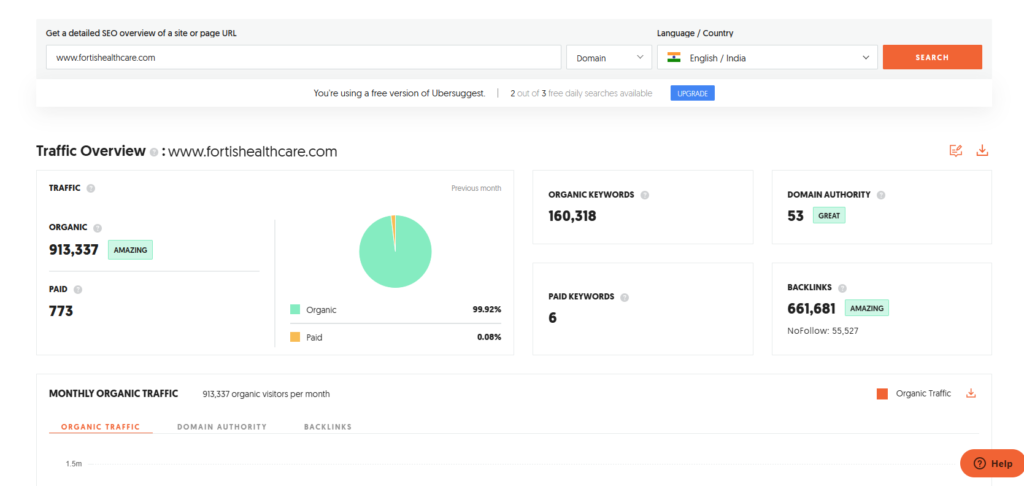
Before diving into optimization, it’s essential to understand the current state of your hospital website. Conducting an SEO audit will help you identify areas for improvement.
i. Check Website Speed:
Website speed is a critical factor in both user experience and search engine optimization (SEO). A slow-loading website frustrates users, leading to higher bounce rates, reduced engagement, and lower conversions. From an SEO perspective, search engines like Google consider site speed a ranking factor, as it directly impacts user satisfaction. To evaluate and improve your website’s speed, tools like Google PageSpeed Insights, GTmetrix, and Pingdom can provide detailed insights.
These tools measure load times, identify bottlenecks, and recommend actionable improvements such as optimizing images, enabling browser caching, and reducing server response times. For example, compressing large images or using a Content Delivery Network (CDN) can significantly decrease loading times. Faster websites not only rank higher but also retain users, enhancing overall site performance and credibility.
ii. Mobile Optimization:
With the majority of searches occurring on mobile devices, ensuring that your website is fully mobile-optimized is no longer optional—it’s essential. A mobile-optimized website adapts seamlessly to different screen sizes, offering a consistent and user-friendly experience across devices. Mobile responsiveness not only improves usability but is also a key factor in Google’s mobile-first indexing, which prioritizes mobile versions of websites for ranking purposes. To achieve mobile optimization, use a responsive web design that dynamically adjusts layouts and images to fit the user’s device.
Regularly test your site using tools like Google’s Mobile-Friendly Test and evaluate elements such as font sizes, button placements, and navigation menus to ensure accessibility. Additionally, consider mobile-specific features like faster touch interactions, simplified forms, and smaller file sizes. By prioritizing mobile optimization, you cater to a broader audience and enhance your SEO performance.
iii. Analyze Content:
Content is at the heart of every successful website. Analyzing your content ensures it remains relevant, engaging, and optimized for both users and search engines. Start by reviewing whether the content addresses your audience’s needs and aligns with their search intent. Irrelevant or outdated content can harm user trust and rankings. Next, assess your content’s keyword optimization.
Use tools like SEMrush or Ahrefs to identify target keywords and check for opportunities to integrate them naturally within your content. Avoid keyword stuffing, which can lead to penalties. Additionally, evaluate the structure of your content—clear headings, subheadings, bullet points, and images enhance readability and accessibility. Regularly updating your content to reflect current trends or industry developments keeps it fresh and engaging.
iv. Check Technical SEO:
Technical SEO forms the backbone of your website’s performance in search engine rankings. It involves optimizing the technical aspects of your site to ensure it is crawlable, indexable, and free from errors. Start by identifying and fixing broken links, as they disrupt user journeys and negatively impact SEO. Tools like Screaming Frog and Ahrefs can help locate such issues. Duplicate content, which confuses search engines and dilutes ranking potential, should be avoided.
Use canonical tags to guide search engines on which version of a page to index. Additionally, regularly review your sitemap and robots.txt file to ensure they correctly guide search engine crawlers. A clean, error-free sitemap improves crawl efficiency and indexing. By addressing these four critical areas—speed, mobile optimization, content relevance, and technical SEO—you can significantly improve your website’s performance, rankings, and user satisfaction.
2. Optimize for Local SEO
Hospitals primarily serve local communities, making local SEO a cornerstone of any healthcare SEO strategy.
- Claim and Optimize Your Google My Business Listing:
- Include accurate details such as address, phone number, and operating hours.
- Use high-quality images of your facility.
- Regularly update your listing with news and events.
- Include Location-Specific Keywords: Use terms like “[city] hospital” or “[area] healthcare services” naturally within your content.
- Encourage Patient Reviews:
- Positive reviews improve your online reputation and rankings.
- Respond promptly and professionally to reviews, whether positive or negative.

3. Focus on High-Quality Content
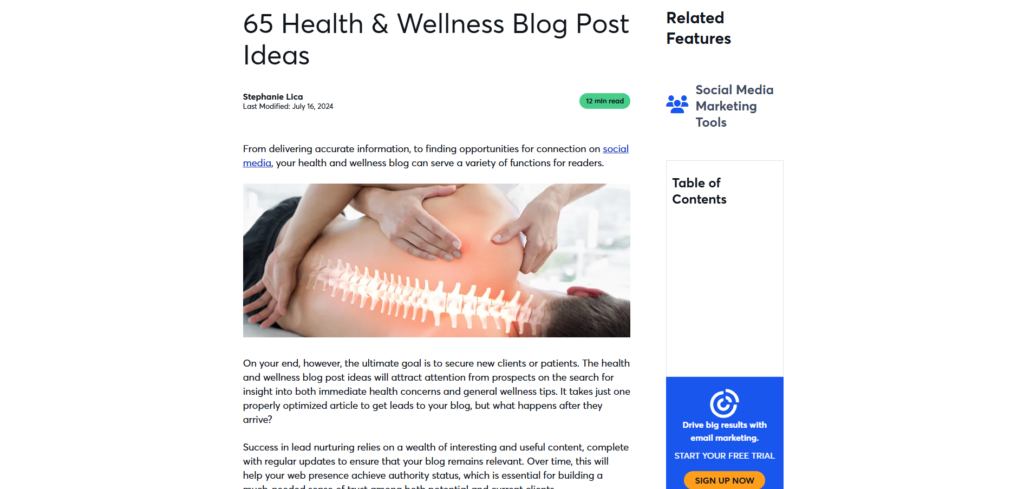
Content is the backbone of SEO for hospital websites. Engaging and informative content not only attracts visitors but also establishes authority in healthcare.
- Create Educational Blog Posts:
- Address common health concerns and frequently asked questions.
- Use patient-friendly language and avoid excessive medical jargon.
- Develop Service Pages:
- Clearly outline the treatments and services your hospital offers.
- Include benefits, patient testimonials, and FAQs.
- Optimize Metadata:
- Use your focus keyword (“SEO for hospital website”) in titles, descriptions, and headers where relevant.
4. Enhance User Experience (UX)
Search engines prioritize websites that provide a seamless and user-friendly experience. Hospitals should aim for clarity, accessibility, and ease of navigation.
- Simple Navigation: Organize your website into clear categories, such as “Services,” “About Us,” “Patient Resources,” and “Contact.”
- Accessibility:
- Ensure your site is compatible with screen readers and other assistive technologies.
- Use alt text for all images.
- Fast Load Times: Compress images and use efficient coding practices to reduce loading times.

5. Leverage Schema Markup
Schema markup provides search engines with additional context about your website, improving visibility in search results.
- Use Healthcare-Specific Schema:
- Markup information like medical services, physician profiles, and patient reviews.
- Highlight events like free health check-up camps or webinars.
- Enhance Rich Snippets: Schema can help display additional information like ratings, reviews, and operating hours directly in search results.
6. Build High-Quality Backlinks
Backlinks from reputable websites signal trustworthiness to search engines, boosting your hospital website’s authority.
- Collaborate with Healthcare Organizations: Partner with local clinics, universities, or public health institutions for content collaborations or event promotions.
- Publish Press Releases: Announce new services, partnerships, or achievements to attract backlinks from news outlets.
- Guest Blogging: Contribute articles to reputable healthcare blogs with backlinks to your website.
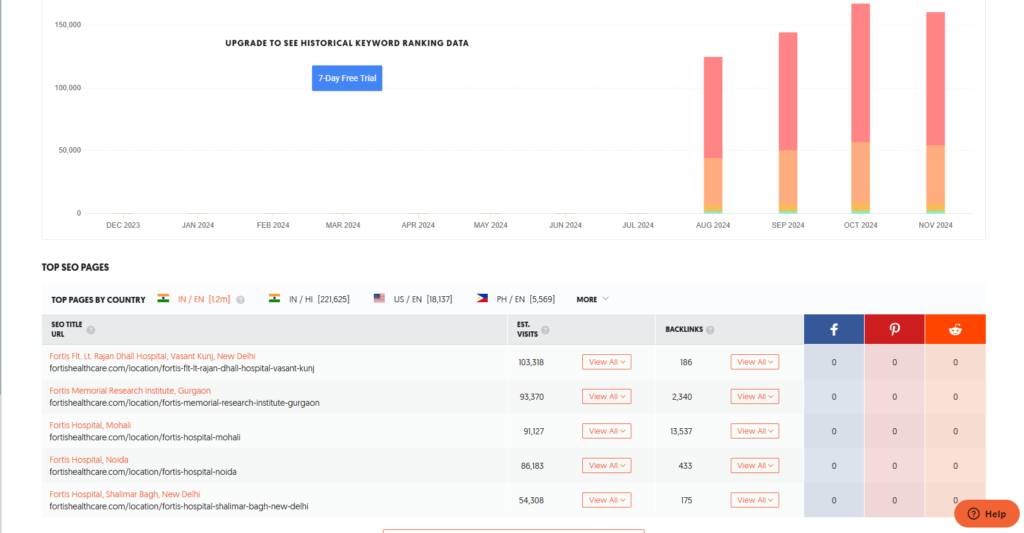
7. Monitor and Measure SEO Performance
SEO is an ongoing process that requires regular monitoring and adjustments.
- Use Analytics Tools:
- Google Analytics for traffic insights.
- Google Search Console for indexing issues and keyword performance.
- Track Key Metrics:
- Organic traffic.
- Bounce rate.
- Conversion rates (e.g., appointment bookings).
- Adjust Based on Data: Regularly update content and refine strategies based on performance metrics.
FAQs
SEO for hospital websites typically takes 3 to 6 months to show measurable improvements in search rankings and organic traffic. However, results depend on competition level, website authority, content quality, and technical optimization. Highly competitive healthcare markets may require a longer-term SEO strategy for sustainable growth.
Yes, SEO for hospital websites requires specialized strategies due to healthcare regulations, patient privacy laws, and high competition. It focuses heavily on local SEO, medical content accuracy, E-E-A-T principles (Experience, Expertise, Authoritativeness, Trustworthiness), and compliance with healthcare standards. Medical SEO must prioritize credibility and patient trust.
E-E-A-T is critical because healthcare falls under Google’s Your Money or Your Life (YMYL) category. Search engines prioritize content written or reviewed by qualified medical professionals. Displaying doctor credentials, certifications, hospital accreditations, and medically reviewed content improves trust signals and search rankings.
Hospitals should target a mix of:
• Service-based keywords such as “cardiology hospital in [city]”
• Treatment-specific keywords like “knee replacement surgery near me”
• Symptom-based queries such as “treatment for chronic back pain”
• Branded and local keywords
A balanced keyword strategy ensures visibility across informational and transactional search queries.
Hospitals can increase appointment bookings by:
• Optimizing service pages with clear calls to action
• Improving website speed and mobile usability
• Using local SEO to rank for “near me” searches
• Adding structured data for healthcare services
• Creating informative content that answers patient questions
SEO not only drives traffic but also converts visitors into patients when properly optimized.
Conclusion
SEO for hospital websites is a powerful tool to enhance visibility, build trust, and connect with patients in meaningful ways. By implementing strategies like local SEO, high-quality content creation, and technical optimizations, hospitals can improve their online presence and attract more patients.
Remember, optimizing a hospital website isn’t just about driving traffic; it’s about delivering value to the community you serve. Start by auditing your website and gradually incorporate the tips outlined in this guide. Over time, you’ll see improved rankings, increased patient engagement, and a stronger digital footprint.
Ready to elevate your hospital’s online presence? Begin optimizing your website today and take the first step towards a more patient-centered digital strategy.
Schedule a free consultation to learn how we can optimize your hospital website for success!

About the author
Ujjwal Kumawat
I specialize in SEO, website development, Google Ads and online business growth strategies. Through my blogs, I share practical insights, marketing tips and proven strategies to help businesses improve their online visibility, generate more leads and grow faster in the digital space.