What is the best link building strategy for 2026 growth?
A strong link building strategy drives lasting SEO results. Search engines still reward relevant, earned backlinks highly. Without a clear plan, efforts often waste time. This playbook covers proven, updated methods for 2026. You will learn tactics, tools, and common mistakes.
Strategic link building blends outreach, content, and patience. It rarely works as a single quick fix. Instead, it compounds steadily across months and years. That consistency separates strong sites from stagnant ones.
Quick answer: A link building strategy means a planned approach to earning backlinks. It combines content creation, outreach, and tracking. Strong strategies for link building focus on relevance over sheer volume.
Why You Need a Link Building Strategy
Random outreach rarely produces consistent results. A defined link building strategy for SEO changes that. It sets clear goals, targets, and timelines. This structure prevents wasted effort and missed opportunities.

Search engines favor sites with steady, natural growth. Sudden link spikes can look suspicious instead. A planned strategy avoids that risky pattern entirely. Consistency signals genuine, sustainable authority over time.
Setting Clear Goals First
Every strategy needs measurable goals from the start. Decide whether you want rankings, traffic, or authority. Clear goals shape your outreach targets significantly. Vague goals lead to scattered, ineffective campaigns.
Aligning Strategy With Content
Your link building strategy must match your content plan. Great outreach cannot save weak, thin content. Pair outreach efforts with strong keyword research first. This ensures your content targets real search demand.
Core Elements of an Effective Strategy
An effective seo link building strategy includes several core parts. Skipping any part often weakens overall results.
- Clear target audience and niche definition
- Link worthy content creation process
- Structured outreach and relationship building
- Consistent tracking and reporting systems
- Ongoing link maintenance and audits
Each element supports the others directly. Together they form a repeatable, scalable system.
Content as the Foundation
Content remains the foundation of any strategy. Without strong content, outreach has nothing to offer. Invest time in original data or guides. Reference technical SEO audits when building authoritative resource pages.
Outreach as the Engine
Outreach turns great content into earned links. Personalized pitches perform far better than generic ones. Build relationships before requesting anything in return. Genuine connections lead to repeat link opportunities.
Proven Link Building Strategies for 2026
Several link building strategies consistently perform well today. Choosing the right mix depends on your niche.

Guest Posting Strategy
Guest posting remains a reliable strategy overall. You write content for another relevant website. In return, you often earn a backlink. Quality placements matter more than sheer volume here.
Digital PR Campaigns
Digital PR campaigns generate natural media mentions. Journalists link to original data or research. This strategy builds authority and brand awareness together. It works well alongside social media marketing efforts.
Broken Link Building
Broken link building finds dead links on sites. You suggest your own page as a replacement. This method takes research but often succeeds. It provides genuine value to site owners too.
Skyscraper Content Strategy
Skyscraper content improves on existing top ranking pages. You create something more thorough or current. Then you pitch it to relevant linking sites. This strategy works best with strong original research.
Resource Page Link Building
Resource pages list helpful links for readers. You pitch your content for inclusion there. This strategy suits educational or how to content well. It rarely feels promotional to site owners.
Building a Repeatable Link Building Process
A repeatable process makes strategies for link building scalable. Random, one off efforts rarely compound over time.
Step 1: Audit Existing Links
Start with a full backlink audit first. Identify strong links and weak or broken ones. This baseline shapes your future outreach priorities.
Step 2: Research Competitor Links
Study where competitors earn their backlinks. Tools can reveal patterns worth replicating. This research often reveals untapped, relevant opportunities.
Step 3: Build a Prospect List
Compile a list of relevant target sites. Prioritize sites with real audience engagement. Quality prospects matter far more than raw quantity.
Step 4: Execute Personalized Outreach
Send tailored pitches to each prospect. Explain specific value for their audience. Avoid mass, generic email templates entirely.
Step 5: Track and Refine Results
Monitor which tactics produce the strongest links. Refine your approach based on real data. This creates a continuously improving strategy over time.
Measuring Your Link Building Strategy
Tracking results shows whether your strategy works. Without measurement, you cannot improve effectively.

- New backlinks earned each month
- Ranking movement for target keywords
- Growth in overall organic traffic
- Referral traffic from linking domains
- Domain authority changes over time
Check your domain authority regularly during campaigns. Also track organic traffic growth alongside new links. These metrics together show real progress clearly.
Tools That Support Link Building Strategy
Several tools streamline strategic link building work. A solid keyword research tool reveals content gaps. Meanwhile a backlink generator tool surfaces fresh prospects quickly.
Review your existing backlink strategy using a checker tool. A backlink checker tool reveals your current profile clearly. Track anchor variety using an anchor text generator too.
Writers should also review meta title length guidelines. Well optimized titles improve click through rates. Similarly, check meta description rules before publishing content.
For agencies managing many clients, structured content writing services save time. Professional SEO services often bundle strategy work into wider campaigns.
Avoiding Common Strategy Mistakes
Many teams weaken their own strategy accidentally. These mistakes are easy to avoid though.
- Chasing volume instead of relevance
- Ignoring niche fit during outreach
- Skipping proper link tracking systems
- Repeating identical anchor text everywhere
- Buying links from low quality networks
Avoiding these mistakes protects your site’s reputation. It also improves long term ranking stability significantly.
Ignoring Relevance Over Authority
High authority alone does not guarantee value. Relevance matters just as much as authority. A finance site linking a recipe blog looks odd. Always match context before pursuing any link.
Neglecting Anchor Text Variety
Repeating exact match anchors looks unnatural quickly. Search engines may flag this as manipulation. Vary your anchor text across every single campaign. Natural variation protects your site from penalties.
Strategy for Local and Niche Businesses
Local businesses need location focused link building strategies. Regional directories and publications build local trust. This pairs well with local SEO strategies overall. It also suits local SEO for doctors campaigns nicely.
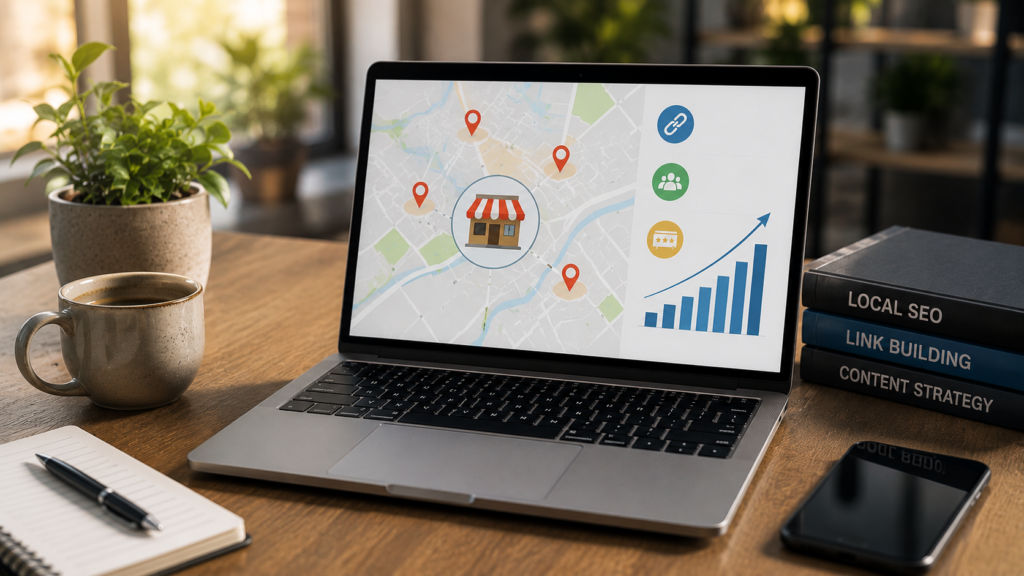
Healthcare providers can explore SEO for hospitals alongside outreach work. Niche industries benefit from highly targeted link sources. A specific audience often converts better than a broad one.
Ecommerce brands can pair strategy work with ecommerce SEO efforts. Combining tactics compounds long term organic growth steadily.
Strategy for Enterprise and Franchise Sites
Enterprise sites need scalable, structured link building systems. Explore enterprise growth strategies for larger campaigns. Coordination across teams prevents duplicate outreach efforts.
Franchise businesses face similar coordination challenges too. A solid franchise SEO approach helps unify multiple locations. Centralized strategy prevents conflicting or overlapping campaigns.
Businesses seeking full support can explore enterprise SEO services. Larger teams often need dedicated strategy resources.
Integrating Strategy Into Your Marketing Funnel
Link building rarely works in isolation properly. It fits within a broader marketing funnel approach. Top of funnel readers discover your brand through linked content.
Combine outreach with strong organic search visibility work. This layered approach strengthens every stage of the funnel. Each channel supports the others quietly over time.
External Resources for Strategic Link Building
External resources help teams refine their approach. Google’s own Search Central guidelines explain link quality expectations clearly. Industry guides from Moz cover strategy fundamentals well. Data driven insights from Ahrefs explore backlink tactics deeply. Reporting frameworks from Search Engine Journal track industry trends closely. Practical strategy tips from Backlinko round out the picture nicely.
Link Building Strategy Checklist for 2026
Before launching any campaign, review this checklist.
- Confirm clear, measurable campaign goals
- Align outreach with strong existing content
- Personalize every single outreach pitch
- Vary anchor text across all campaigns
- Track results and refine consistently
This checklist keeps strategic link building organized. It also protects your site from low quality links.
Content Types That Naturally Attract Links
Certain content formats earn links more easily. Choosing the right format saves outreach effort.

Original Research and Data
Original research gives writers something new to cite. Surveys, studies, and unique data work well. Journalists and bloggers love citing fresh statistics. This content type often earns links passively.
Comprehensive Guides
Comprehensive guides answer many related questions at once. Readers bookmark and share thorough resources often. Pair strong guides with solid keyword research for SEO. This ensures your guide targets real search demand.
Visual Assets and Tools
Infographics, calculators, and free tools attract links naturally. People love embedding useful, shareable visuals. These assets often outperform plain text articles. Consider building one alongside your next campaign.
Timeline: What to Expect From Your Strategy
Link building results rarely appear overnight. Setting realistic expectations prevents early frustration.
The first month usually focuses on research. You audit links and build prospect lists. Months two and three bring initial outreach. Early replies and placements start appearing then.
By month four, patterns become clearer. Some tactics perform better than others. Refine your approach based on early data. Most sites see measurable ranking shifts after several months.
Long term strategies often take six months or more. Authority builds slowly through consistent, quality outreach. Patience protects your strategy from risky shortcuts.
Technical Foundations That Support Link Building
Strong technical SEO makes earned links more effective. Weak technical health can waste good backlinks.
Site Speed and Core Web Vitals
Slow sites frustrate visitors who arrive through links. Review core web vitals optimization regularly. Faster pages convert more of your earned traffic. Speed also supports better crawling and indexing.
Schema Markup for Better Visibility
Schema markup helps search engines understand content. Explore a schema markup guide for implementation tips. Clear markup can improve how your linked pages appear. This supports stronger click through rates from search results.
Crawlability and Indexing
Search engines must crawl pages before ranking them. Managing your crawl budget helps important pages get indexed. This ensures your link worthy content gets discovered quickly.
Combining Strategies for Compounding Results
No single tactic works well in isolation. Combining strategies produces stronger, compounding results over time.

Pair guest posting with digital PR outreach. Add skyscraper content for evergreen resource pages. Layer resource page outreach throughout ongoing campaigns. This combination covers more prospect types effectively.
Regularly review your content audit to spot new opportunities. Outdated content often needs refreshing before outreach begins. A content audit reveals which pages deserve renewed promotion.
Link Building Strategy for AI Search Era
Search behavior keeps shifting toward AI powered answers. Your strategy should adapt alongside these changes.
AI answer engines still rely on credible sources. Strong backlinks help signal that credibility clearly. Reviewing generative engine optimization helps teams understand this shift. Content cited by AI tools often started with strong link authority.
Traditional organic search rankings still matter significantly today. AI overviews often pull from top ranking, well linked pages. Building authority through links supports both channels together.
Teams exploring AI SEO strategy should not abandon link building. Instead, treat links as a foundation for future visibility. Authority earned today supports AI citations tomorrow.
Reporting Your Link Building Strategy Results
Clear reporting keeps stakeholders informed and confident. Regular updates also reveal when strategy shifts are needed.
Build a simple monthly report covering key metrics. Include new links, ranking changes, and traffic growth. Visual dashboards make trends easier to understand quickly.
Explore analytics reporting dashboards for structured reporting templates. Consistent reporting builds trust with clients or leadership teams. It also helps justify continued investment in outreach efforts.
Compare month over month progress rather than isolated wins. This view shows whether your strategy compounds properly. Steady upward trends matter more than single standout months.
Scaling Your Strategy Over Time
Early campaigns often start small and manual. Scaling requires clearer systems and defined roles.

Document your outreach process for consistency. Templates and guidelines help new team members ramp quickly. Standardized workflows protect quality as volume increases.
Consider dedicated SEO automation tools for repetitive tasks. Automation frees time for genuine relationship building work. Balance efficiency with the personal touch outreach still requires.
As your strategy scales, revisit goals regularly. Growing teams need updated targets and clear ownership. Regular check ins keep scaling efforts aligned and focused.
Frequently Asked Questions
A link building strategy is a planned approach for earning backlinks. It combines content creation, outreach, and tracking. This structured process helps sites build authority and rankings consistently over time.
Guest posting, digital PR, and skyscraper content remain effective strategies. Relevance and quality now matter more than volume. Search engines reward genuine, earned links over spammy, low quality campaigns.
Most strategies take several months to show results. Rankings improve gradually as authority builds steadily. Patience and consistency matter more than rushing toward quick, unsustainable link gains.
Yes, a poor strategy can hurt your rankings significantly. Spammy or irrelevant links raise red flags quickly. Always prioritize relevance, quality, and natural anchor text over sheer link volume.
Begin with a content and backlink audit first. Identify gaps and realistic goals clearly. Then build a prospect list and start personalized, relevant outreach immediately.
Conclusion
A strong link building strategy drives lasting SEO growth. It combines content, outreach, and consistent tracking. Success depends on relevance, patience, and planning.
Follow this playbook to build your own strategy. Focus on genuine value over quick shortcuts. Track your results and refine your approach regularly.
Over time, strategic link building compounds real value. It supports rankings, brand trust, and steady growth. Start with clear goals, and results will follow.
Remember that relevance always beats raw volume. One strong strategy can outperform many scattered efforts. Choose your tactics carefully based on real data. Build for readers first, search engines second always. That mindset keeps your link building strategy sustainable for years ahead.

About the author
Ujjwal Kumawat
I specialize in SEO, website development, Google Ads and online business growth strategies. Through my blogs, I share practical insights, marketing tips and proven strategies to help businesses improve their online visibility, generate more leads and grow faster in the digital space.