What is SERP and why does it matter so much?
Every search you make triggers one. It decides which websites you see first. It decides who gets clicks and who gets ignored. Understanding it can change your entire SEO strategy.
Quick Answer: SERP stands for Search Engine Results Page. It is the page Google shows after a search. It includes organic listings, ads, and special features like snippets and local packs. Every business competes here daily.
Introduction
SERP is one of the most important terms in SEO. It shapes how people find websites online. If you run a business, your SERP position decides your traffic. This guide breaks down everything in simple language.
Most marketers focus heavily on rankings. But ranking means nothing without understanding the page itself. That page is the SERP. Once you understand it, everything else in SEO becomes clearer.
This article covers the full form, meaning, features, and ranking factors. It also explains SERP analysis, device differences, and future search trends. By the end, you will understand this topic completely and confidently.
Full Form of SERP
The full form of SERP is Search Engine Results Page. It appears every time someone searches online. Google, Bing, and other engines generate this page instantly. It pulls the most relevant content for that query.
This term gets used constantly in digital marketing. Agencies talk about SERP rankings, SERP features, and SERP analysis. Knowing the full form helps beginners follow these conversations easily.
Every industry uses this term differently. Marketers, developers, and business owners all rely on it. Understanding its meaning avoids confusion during strategy discussions.
SERP in SEO: What It Actually Means
SERP in SEO refers to how a website performs on that results page. Higher visibility means more clicks. Lower visibility often means fewer visitors. This is why SEO experts study SERP behavior closely.
Every SERP is unique. It depends on the search intent behind a query. Two people searching similar words can see different results. Location, device, and search history all play a role.
Search engines aim to satisfy user intent above all else. That means content must match what searchers actually want. Ignoring intent usually leads to weak rankings, regardless of effort.
Agencies offering SEO services study these patterns daily. They track how pages move across search results. This data guides every future content decision.
Why SERPs Differ From User to User
Not everyone sees the same SERP for identical searches. Google personalizes results based on many signals. This surprises many beginners in digital marketing.
Location changes results significantly. A search for restaurants shows different listings city to city. This is why local SEO remains so important for small businesses.
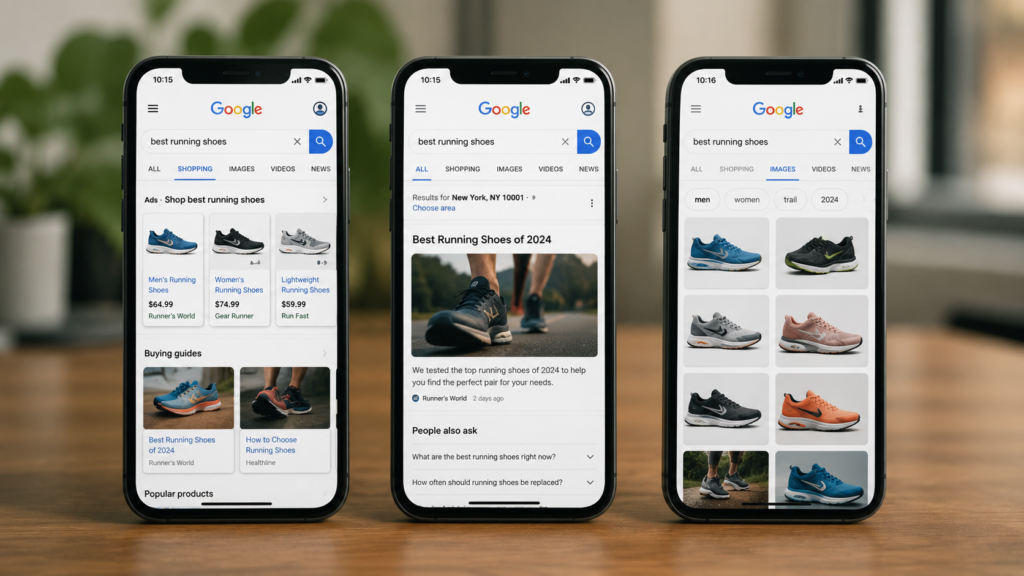
Device type also matters. Mobile and desktop SERPs often display content differently. This connects directly to mobile first indexing and how Google evaluates pages today.
Search history influences results too. Google often favors sites users visited before. This makes consistent branding and trust signals more valuable over time.
Types of SERP Features
Search engine result pages contain far more than blue links today. Google now shows many rich elements. Each one competes for the user’s attention.
Organic Results
These are the standard unpaid listings. They rank based on relevance and authority. Good keyword research helps these listings rank higher. Strong content and technical health matter too.
Paid Ads
Paid results appear above organic listings. Businesses bid for these positions. Services like Google Ads management help brands compete here effectively without wasting budget.
Featured Snippets
These boxes answer questions directly on the page. They often sit above all other results. Clear, short answers improve your snippet chances significantly. Structured content also helps immensely here.
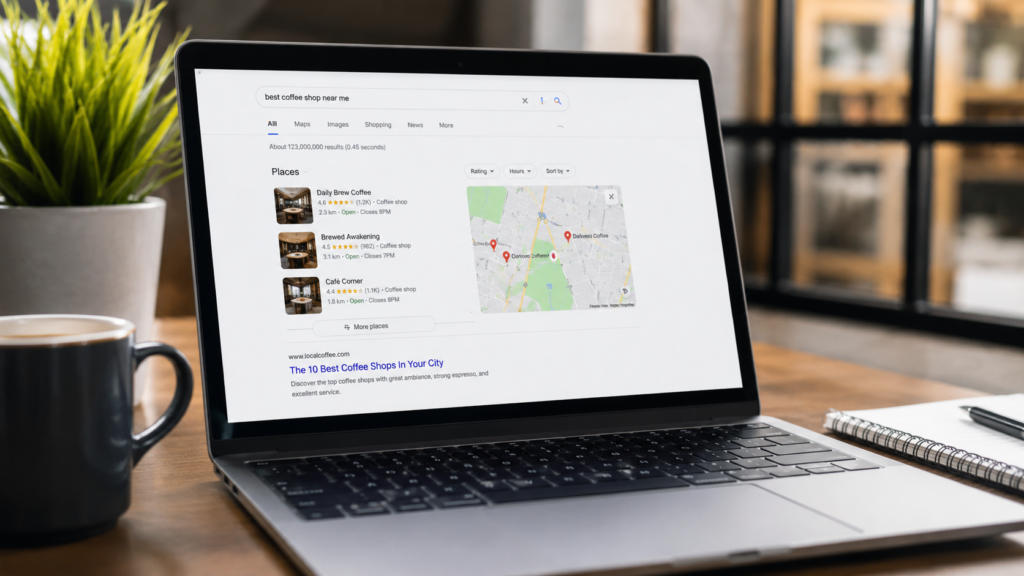
Local Pack
This shows nearby businesses on a small map. It matters greatly for local searches. Many businesses invest in local SEO services to appear here consistently.
Knowledge Panel
This box shows facts about brands or people. It usually appears on the right side. Strong brand signals help these panels populate correctly and completely.

People Also Ask
This feature shows related questions users often search. Clicking one expands a short answer instantly. Optimizing content for common questions increases these appearances naturally.
How Google SERP Works
Google SERP results are generated through complex algorithms. These algorithms crawl, index, and rank billions of pages. The process happens within milliseconds for every query.
Crawlers first discover new pages across the web. Indexing then stores that content in Google’s database. Ranking systems finally decide the order shown to users.
Technical elements influence this process heavily. Things like canonical tags prevent duplicate content issues. Proper mobile first indexing also affects how pages get evaluated.
Sites built with heavy scripts need extra care too. Understanding JavaScript SEO helps ensure Google reads your content correctly. Poor technical setup can quietly hurt SERP visibility.
Pagination also plays a role for larger sites. Following proper pagination SEO practices helps crawlers understand content structure. This prevents wasted crawl budget on unnecessary pages.
Why SERP Analysis Matters for SEO
SERP analysis means studying results for a target keyword. It reveals what type of content ranks well. It also shows which competitors dominate that space.
This analysis guides smarter content planning. You learn whether users want guides, products, or local listings. That intent shapes your entire content approach.
Regular keyword research for SEO pairs perfectly with SERP analysis. Together they reveal gaps competitors have missed. Filling those gaps often brings quick ranking wins.
Businesses also track organic traffic after these changes. This confirms whether SERP improvements are working. Consistent tracking prevents guesswork in strategy decisions.
Tools also help measure keyword search volume alongside competition levels. Combining both metrics helps prioritize which keywords to target first.
How to Improve Your SERP Ranking
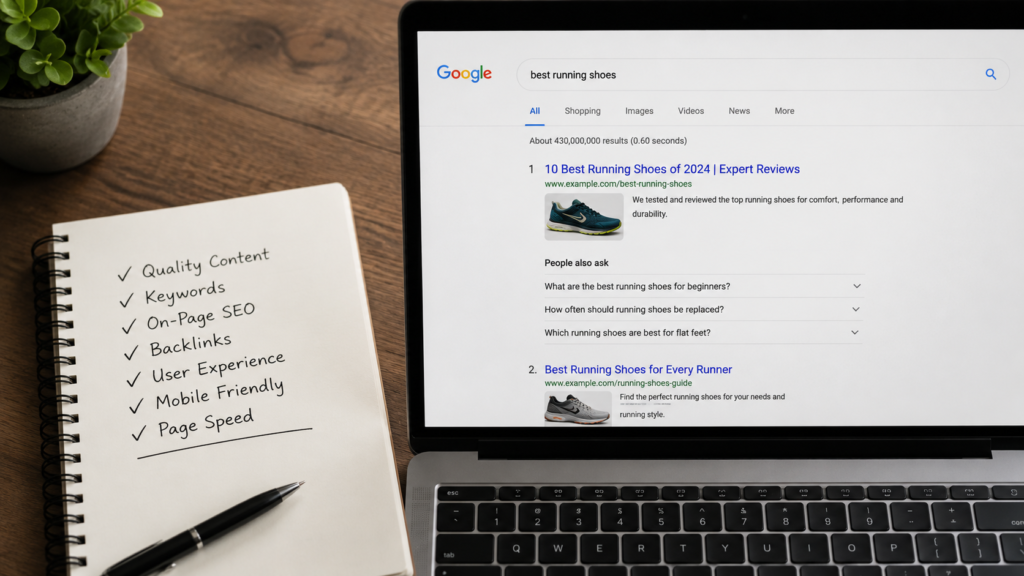
Improving your position takes consistent, focused effort. Below are proven steps most successful sites follow closely.
Strong Keyword Research
Start with solid keyword research. Tools help identify search volume accurately for every term. This ensures you target keywords people actually search regularly.
Platforms differ in approach too. Some brands even explore keyword research tools for Bing for broader visibility. Diversifying keyword sources often uncovers hidden opportunities others miss.
Blogging niches benefit from focused research as well. Reviewing keyword research for blogging helps writers choose topics readers actually want.
Fix Technical SEO Issues
Technical health directly affects rankings. A proper technical SEO audit checklist catches hidden problems early. Site speed, crawl errors, and indexing issues all matter here.
Reviewing core web vitals optimization also boosts performance. Faster sites generally rank better and convert more visitors.
Running a full technical SEO for website performance review often uncovers quick wins. Small fixes sometimes create noticeable ranking improvements within weeks.
Create Genuinely Useful Content
Content still drives most ranking decisions. Following a content audit guide helps identify weak pages. Updating thin content often improves rankings fast.
Images matter too. Adding proper alt text on images improves accessibility and search visibility together. This small detail gets overlooked frequently.
Understanding content length also helps writers plan better. Longer is not always better, but depth usually matters.
Build Quality Backlinks
Backlinks remain a major ranking signal. A clear backlink strategy builds authority over time. Running a backlink audit guide removes harmful or spammy links.
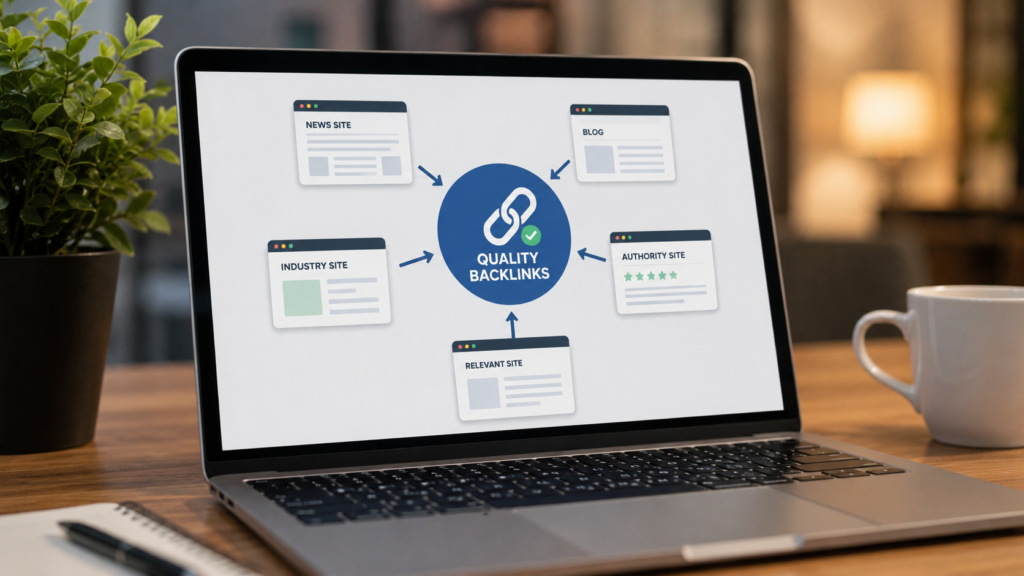
Checking your domain authority regularly tracks this progress. Rising authority usually reflects stronger backlink profiles across the site.
Using reliable backlink checker tools helps monitor competitor activity too. This intelligence often reveals new link opportunities worth pursuing.
Strengthen Local Signals
Local businesses need extra focus here. Following proven local SEO strategies improves map pack visibility. A detailed local SEO audit reveals missing citations or errors.
Industries like local SEO for restaurants and local SEO for dentists show how tailored strategies work well. Every niche needs a slightly different approach.
Professionals such as lawyers benefit too. Exploring local SEO for lawyers shows how trust and reviews impact local rankings heavily.
SERP for Ecommerce and Enterprise Sites
Larger websites face unique SERP challenges. Ecommerce stores compete across thousands of product pages daily. Following solid ecommerce SEO practices keeps these pages organized and visible.
Enterprise brands face different hurdles entirely. Multiple departments and locations complicate strategy execution. A clear enterprise SEO approach keeps everything aligned properly.
Franchise businesses also need specialized attention. Reviewing a franchise SEO playbook helps scale visibility across many locations. Consistency across listings becomes critical at this scale.
SERP and the Rise of AI Search
Search behavior is changing fast today. AI tools now answer questions directly. This shift is called generative engine optimization, or GEO.
Understanding GEO vs SEO helps marketers prepare properly. Traditional SERP tactics still matter, but new rules are emerging. Many brands now study GEO for ChatGPT visibility too.
Following a solid GEO checklist keeps content ready for both worlds. This dual approach protects future search traffic effectively.
Answer focused content performs well across both systems. Reviewing answer engine optimization helps writers structure content for direct answers clearly.
Common SERP Mistakes to Avoid
Many websites lose rankings through avoidable errors. Awareness of these mistakes saves significant time and effort.

- Ignoring page speed and core vitals
- Skipping proper schema markup
- Publishing thin or duplicate content
- Neglecting mobile usability
- Overlooking local listing accuracy
- Using irrelevant or forced keywords
Following a schema markup complete guide helps avoid several of these issues. Small technical fixes often bring noticeable ranking improvements quickly.
SERP Differences Across Devices
Mobile and desktop SERPs rarely look identical today. Google prioritizes mobile friendly pages first now. This shift began years ago but still confuses many site owners.
Mobile screens show fewer results per scroll. This makes top positions even more valuable there. Local packs and featured snippets often dominate mobile screens completely.
Desktop SERPs sometimes show extra sidebar features. Knowledge panels and shopping results appear more often here. Testing your site across both devices remains essential for accuracy.
Site speed matters even more on mobile connections. Reviewing site speed optimization helps improve rankings across every device type consistently.
Schema Markup and Rich Results
Structured data helps search engines understand page content better. This often leads to enhanced SERP appearances like stars or prices. These small visual boosts increase click through rates noticeably.
Recipe, review, product, and event schema all trigger different rich results. Choosing the right type depends entirely on your content category and goals.
A thorough schema markup complete guide walks through implementation steps clearly. Even beginners can add basic schema without coding experience.
Rich results are never guaranteed automatically though. Google still decides whether to display them for any query. Proper markup simply increases your chances significantly.
Voice Search and SERP Results
Voice search continues growing across many devices today. Smart speakers and phones now answer spoken questions instantly. This changes how content should be structured for search.

Voice answers usually pull directly from featured snippets. Writing clear, conversational answers improves your voice search chances. Short, direct sentences work best for this format specifically.
Local queries dominate much of voice search activity. Businesses focusing on local SEO ranking factors often benefit here too. Voice and traditional search overlap more than most expect.
How to Track SERP Rankings Over Time
Tracking rankings consistently reveals real progress. Random checking rarely shows the full picture accurately. Weekly or monthly reviews work best for most businesses.
Start by reviewing how to know if your SEO is working. This helps separate real progress from temporary fluctuations naturally.
Combining ranking data with traffic and conversion numbers gives fuller context. Rankings alone rarely tell the complete business story.
SERP for International and Multi Location Businesses
Businesses operating across countries face extra SERP complexity. Language, currency, and cultural differences all affect visibility. A single strategy rarely works across every market.
Following a solid international SEO strategy guide helps structure this correctly. Proper hreflang tags and localized content both matter significantly here.
Multi location businesses face similar challenges within one country. Each location needs its own optimized presence online. Reviewing a multi location SEO guide prevents duplicate content issues across pages.
Geo targeting also plays a growing role today. Exploring geo targeted SEO helps brands capture demand in specific markets. This approach works well alongside traditional SERP strategies.
Healthcare and logistics businesses face unique regional demands too. Guides like SEO for hospitals show how specialized industries approach this differently. Every sector ultimately needs its own tailored SERP approach.
External Resources Worth Reviewing
For deeper technical understanding, Google’s own Search Central documentation explains ranking systems clearly. Moz also offers a helpful breakdown of SERP features.
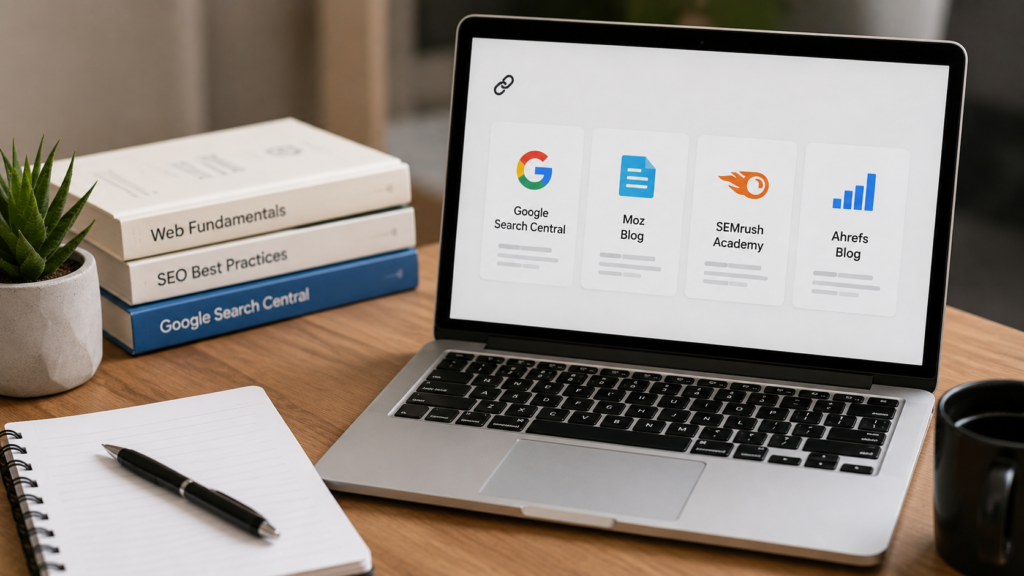
Search Engine Journal regularly covers SERP updates too. Ahrefs provides useful data through its SEO blog for competitive research.
Semrush also offers strong SERP tracking tools worth exploring further. These resources help teams stay current with algorithm changes.
Frequently Asked Questions
SERP stands for Search Engine Results Page. It refers to the page displayed after a user submits a search query online. This page includes organic listings, paid ads, featured snippets, and local business results together.
Ranking refers to your specific position within the SERP. The SERP itself is the entire page containing all results. Ranking measures where your content appears among competitors on that same results page.
SERP features like snippets and local packs increase visibility significantly. They appear above standard organic listings often. Businesses appearing in these features usually receive higher click through rates and more qualified traffic.
Yes, SERP results change constantly based on algorithm updates. Search intent, location, device type, and freshness all influence results. Regular monitoring helps businesses adapt quickly and maintain strong search visibility over time.
SERP analysis reveals which content formats rank successfully for target keywords. It highlights competitor strengths and content gaps clearly. This insight guides smarter content creation and stronger overall keyword targeting decisions.
Conclusion
SERP shapes almost every part of modern SEO. Knowing its full form and function builds a strong foundation. From organic results to AI search, this page controls visibility.
Businesses that study SERP behavior consistently outperform competitors. Combining technical fixes, strong content, and smart keyword targeting works best.
Agencies offering AI SEO services help simplify this entire process for growing brands. Mastering SERP fundamentals today prepares your business for search tomorrow.
Start small if this feels overwhelming right now. Fix one technical issue this week. Improve one weak page next week. Small, steady steps beat rushed, inconsistent effort every single time.

About the author
Ujjwal Kumawat
I specialize in SEO, website development, Google Ads and online business growth strategies. Through my blogs, I share practical insights, marketing tips and proven strategies to help businesses improve their online visibility, generate more leads and grow faster in the digital space.