Does your real estate property listing website design actually convert visitors?
Most visitors leave within ten seconds. The right features change that instantly. A strong real estate property listing website design combines key features. These include fast search filters, quality photos, and virtual tours. Together they build trust and boost lead capture. This guide covers essential property listing website features buyers expect today. We also look at real estate website design India trends. You will learn how property search filters improve user experience.
Building this yourself is possible but risky. Many businesses prefer expert website design services for reliable results. A professional team saves time and avoids costly mistakes. This article helps agents, builders, and property portals alike. Small agencies and large platforms face similar design challenges. Every point below applies regardless of team size. Whether you manage ten listings or ten thousand, these principles apply. Strong fundamentals scale well as your property portfolio grows. Start with the basics before adding advanced tools.
What Makes a Real Estate Property Listing Website Design Successful
Success depends on speed, clarity, and trust. Buyers want answers fast. They will not tolerate slow pages or confusing layouts. Google also rewards fast, mobile friendly sites. Following mobile first indexing principles helps your rankings. Faster sites also convert better on every device.
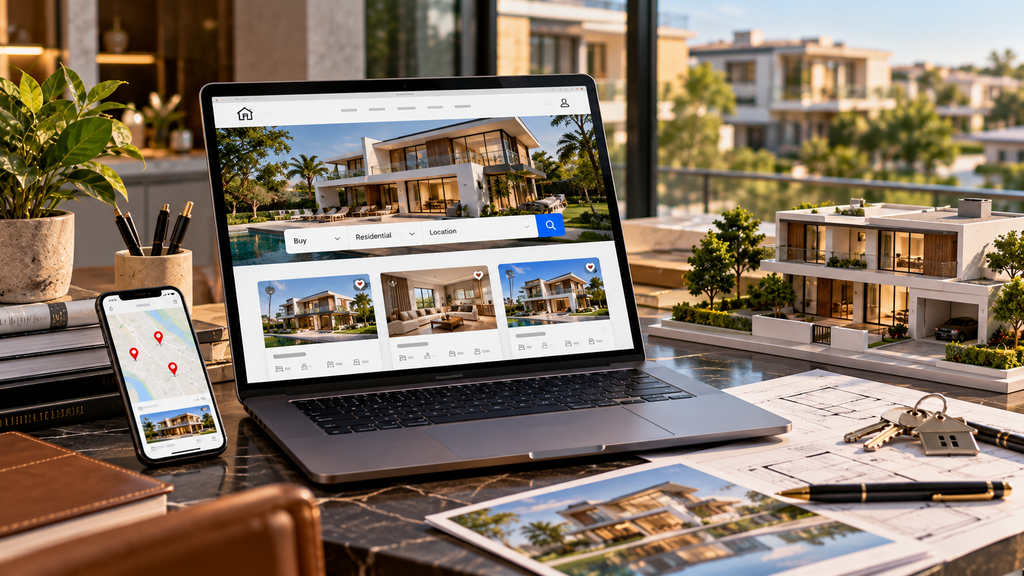
Clean navigation matters just as much as speed. Buyers should find listings within three clicks. Complicated menus push visitors toward competitor sites instead. Research from the Nielsen Norman Group shows users scan visuals first. Your layout should support that natural scanning pattern. Place key details near strong images always.
Consistent branding also builds long term recognition. Buyers remember platforms that feel professional and polished. This familiarity often brings repeat visitors back.
Must Have Property Listing Website Features
Certain property listing website features are simply non negotiable now. Buyers expect these tools on every serious property platform. Skipping them means losing serious buyers fast.
Advanced Property Search Filters
Buyers rarely browse every single listing manually. Smart property search filters narrow choices within seconds. Filters should include price, location, size, and amenities. Good filters also handle pagination smoothly across large result sets. Following solid pagination SEO practices keeps these pages indexable. This helps search engines find every single listing page.
Saved search alerts add extra value for serious buyers. Users get notified when matching listings appear. This small feature significantly improves repeat visits. Map based search also helps buyers explore neighborhoods visually. Drawing a custom area feels intuitive to most users. This feature works especially well for city listings.
High Quality Photo Galleries
Photos are often the first real impression buyers get. Blurry or few images lose interest immediately. Every listing needs multiple, well lit photos. Always add descriptive alt text on images for accessibility and SEO. This helps search engines understand each photo. It also follows sound W3C accessibility guidelines for every visitor.
Group photos by room or feature clearly. Buyers should never feel lost browsing images. A logical order builds confidence in the listing. Allow buyers to zoom into every photo easily. Small thumbnails frustrate anyone checking finer details. Full screen viewing keeps buyers engaged longer on each listing.
Virtual Tours and 3D Walkthroughs
Virtual tours let buyers explore properties remotely today. This feature saves time for both agents and buyers. Many serious buyers now expect this option. Interactive 3D walkthroughs increase time spent on listing pages. Longer session times also signal quality to search engines. This indirectly supports better organic rankings over time.
Even a simple video walkthrough beats no tour at all. Buyers appreciate any extra visual context available. It reduces wasted site visits for everyone involved. Pair virtual tours with floor plans whenever possible. Buyers can then compare layout and flow easily. This combination often speeds up buying decisions.
Mobile Friendly Layout and Fast Loading Pages
Most property searches now start on mobile devices. Your design must adapt instantly to smaller screens. Slow pages frustrate buyers and hurt rankings. Review your core web vitals regularly to catch speed issues. Tools from Google web.dev make this monitoring simple. Fast pages keep buyers engaged longer on listings.
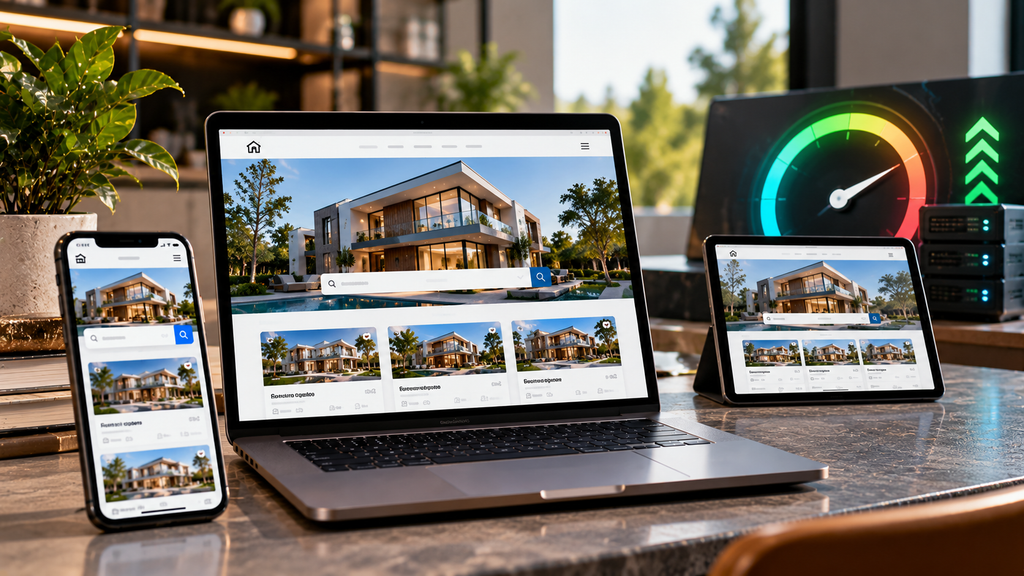
This also strengthens your overall conversion rate optimization efforts. Every second saved improves buyer patience noticeably. Speed truly is a conversion feature too. Compress images without losing visible quality carefully. Large uncompressed photos are a common speed killer. Test load times on real phones regularly.
Detailed Floor Plans and Specifications
Buyers want exact specifications beyond nice photos. List square footage, room counts, and orientation clearly. Precise details reduce unnecessary questions and site visits. Downloadable floor plans add extra convenience for buyers. Serious buyers often share these with family members. This small feature builds significant additional trust.
Real Estate Website Design India Buyers Expect
Indian buyers search differently across cities and regions. Real estate website design India projects must reflect local behavior. Regional preferences shape layout and content choices. Reports from the National Association of Realtors confirm buyers research heavily online first.
Indian buyers follow similar digital research habits. Your site must answer their early questions clearly. Trust also plays a larger role in Indian markets. Buyers want verified builders and transparent pricing details. Hiding information usually pushes buyers away quickly.
Local Language and Regional Search Support
Many buyers search in regional languages, not just English. Supporting multiple languages widens your potential buyer pool. This builds trust with local audiences instantly. Strong local SEO practices help regional listings rank higher. Combine this with smart keyword research for each city. This ensures relevant traffic reaches your listings.
Currency and measurement formats matter too locally. Show prices in familiar formats buyers expect. Small details like this build real trust. Consider dialect differences even within one state. A single translation rarely fits every region perfectly. Local proofreading avoids awkward or confusing phrasing.
Local SEO for Real Estate Businesses
Location matters more in real estate than most industries. A thorough local SEO audit reveals missed opportunities quickly. Fixing these gaps often brings fast results. Google Business Profile also plays a major role locally. Learning how Google My Business improves local SEO rankings helps agents. This directly impacts visibility for nearby property searches.
Following proven local SEO strategies keeps you ahead of competitors. Many agencies also offer dedicated local SEO services in India. This support saves time for busy real estate teams. List every project location as separate landing pages. Each page can target one specific neighborhood clearly. This structure often improves local rankings significantly.
Designing for Conversions Beyond Aesthetics
A beautiful site means nothing without conversions. Every page needs a clear next step. Design choices should guide buyers toward action. Test different button colors and placements regularly. Small changes sometimes produce surprisingly large results. Never assume your first design is final.
Clear CTAs and Simple Lead Forms
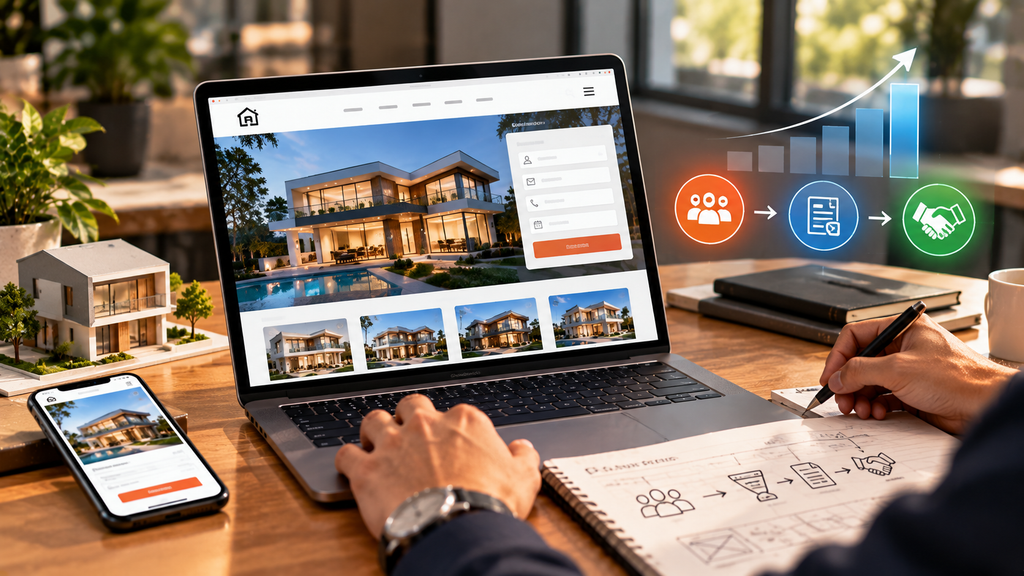
Buttons like Schedule a Visit should stand out clearly. Keep contact forms short and simple always. Long forms scare potential buyers away quickly. Map your buyer journey using a clear marketing funnel approach. This helps identify where visitors drop off. Small fixes here often boost conversions significantly.
Insights from Think with Google show buyers value quick responses highly. Fast follow up after a form still matters most. Speed to reply often wins the buyer. Offer a callback option for busy buyers too. Not everyone wants to fill out forms. Multiple contact paths capture more genuine leads.
Trust Signals, Reviews, and Verified Listings
Buyers trust verified listings far more than unverified ones. Display agent credentials and genuine customer reviews. This transparency reduces buyer hesitation significantly. Responding thoughtfully to reviews also builds credibility online. Many teams now explore responding to reviews with AI in mind. This keeps responses fast and genuinely helpful.
Display recent sale or booking activity when possible. Seeing real activity reassures hesitant, cautious buyers. This social proof often speeds up decisions.
SEO Essentials for Property Listing Websites
Great design alone will not guarantee visibility. Search engines need clear technical signals too. These fundamentals support every property listing page.
Technical SEO Basics
Use proper canonical tags to avoid duplicate listing issues. Since many sites rely heavily on scripts, understanding JavaScript SEO becomes essential. This ensures search engines can crawl every listing properly. Submit an updated sitemap generator output regularly to search engines. Also monitor your crawl budget on larger listing sites. This prevents important pages from being missed entirely. Fix broken links and outdated listings promptly. Old, expired listings confuse both buyers and crawlers. Regular cleanup keeps your site healthy overall.
On Page and Content SEO
Every listing page needs a unique, optimized meta description. Keep your meta title length within recommended limits too. These small details influence click through rates significantly. Adding structured schema markup helps listings appear as rich results. This often increases visibility inside search results pages. Buyers notice these enhanced listings more easily.
Smart keyword search volume research shapes your content strategy too. Target terms buyers actually type into search. This keeps your traffic relevant and valuable. Write unique descriptions for each property instead of templates. Copied descriptions across listings hurt rankings badly. Original details also help buyers understand properties better.
Ongoing SEO Monitoring
SEO is not a one time task ever. Regularly check how to know if your SEO is working for your site. This keeps your strategy aligned with real results. Track your domain authority and build quality backlinks steadily. A focused backlink strategy strengthens long term rankings. Combine this with periodic technical SEO audits for best results.
Set a monthly review schedule for key metrics. Traffic, rankings, and conversions all deserve regular attention. Consistency matters far more than occasional big pushes.
Common Mistakes in Property Listing Website Design
Even good teams repeat certain design mistakes often. Avoiding these early saves major rework later. Small fixes now prevent bigger problems later.
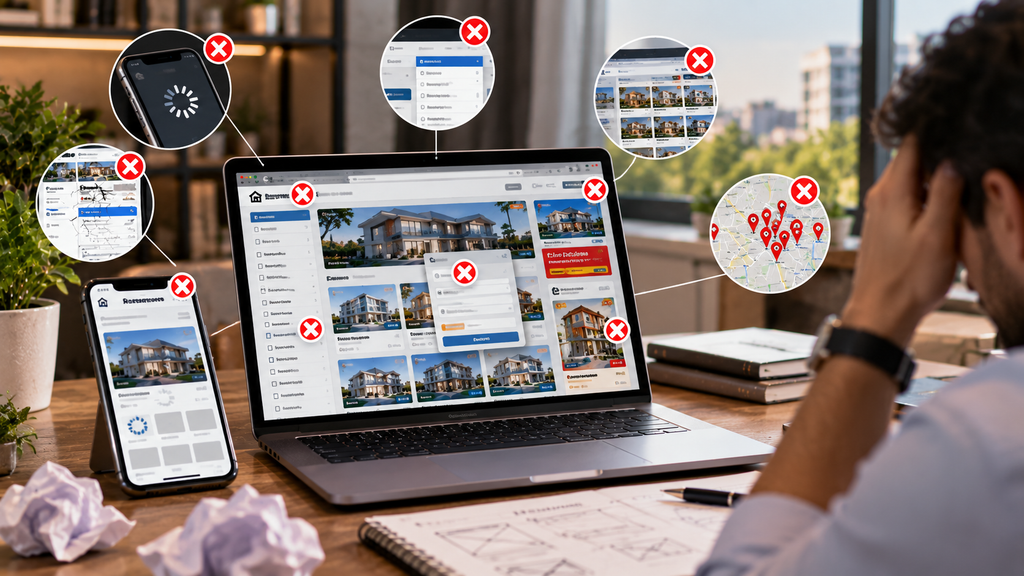
Ignoring Mobile Buyers
Some teams still design desktop first by default. This frustrates the majority mobile audience instantly. Always test every listing page on phones. Tiny buttons and cramped filters frustrate mobile users fast. Give tap targets enough space to use easily. Comfort on mobile directly affects conversions.
Pop ups that block content annoy mobile visitors greatly. Keep interruptions minimal on smaller screens especially. Respect the limited space buyers are working with.
Weak Search and Filter Options
Basic filters alone frustrate serious property buyers quickly. Buyers want granular control over every search. Missing filters push buyers toward rival platforms instead. Slow filter results also hurt user experience badly. Instant, smooth filtering feels modern and trustworthy. This small detail influences buyer perception strongly.
Failing to show result counts also confuses buyers. People want to know how many matches exist. This small number builds confidence in the search.
Slow Load Times and Heavy Pages
Heavy, unoptimized pages drive buyers away instantly. Every extra second lowers your conversion rate noticeably. Serious site speed optimization fixes this quickly. Test speed regularly using free online tools. Fixing speed issues early prevents bigger technical debt. Buyers rarely wait for pages to load.
Cost of Building a Property Listing Website
Costs vary widely based on features and complexity. Simple sites cost less than advanced platforms. Virtual tours and custom filters increase overall pricing. Working with an established website development company often prevents budget overruns. Get a detailed quote before starting any project. Compare quotes from at least three vendors.
Factor in ongoing costs too, not just the build. Hosting, maintenance, and SEO all need budget. Plan for these expenses from day one. Think of your website as a long term investment. A well designed platform keeps generating buyer inquiries for years. The upfront cost often pays for itself quickly.
Choosing the Right Development Partner
Not every agency understands real estate specifically well. Look for teams experienced in property platforms. Ask for examples of previous listing websites built. Many businesses choose custom website development for flexibility and control. Others prefer WordPress website development for easier long term updates. Both options can work well when planned carefully.

Also consider ongoing support needs after launch. Ask about SEO services included in the package. Ongoing optimization matters as much as the initial build. Marketing support also extends beyond the website itself. Consider social media marketing to promote new listings widely. Combine this with targeted email marketing for repeat buyer engagement.
Building a real estate property listing website design needs the right technical partner. Choose one who understands both design and search visibility. This combination protects your investment long term. Request a clear timeline before signing any contract. Vague timelines often lead to frustrating delays later. A detailed plan protects both sides fairly.
Check client testimonials and past project portfolios carefully. Real feedback reveals reliability better than sales pitches. Never skip this important verification step.
Quick Checklist Before You Launch
- Fast, mobile friendly property search filters
- High quality photo galleries with alt text
- Virtual tours or video walkthroughs available
- Clear CTAs and short lead capture forms
- Proper canonical tags and schema markup
- Verified listings and visible agent reviews
- Fast loading pages across every device
Frequently Asked Questions
A strong design needs advanced search filters, quality photo galleries, and virtual tours. It should load fast and work smoothly on mobile. It needs clear, simple contact forms for buyers.
Indian real estate sites need regional language support and local pricing formats. Buyers research heavily online before visiting any property. Strong local SEO and trust signals matter greatly for conversions.
Filters help buyers narrow thousands of active listings fast. Without granular filters for price and location, buyers grow frustrated quickly. They often leave for competitor property platforms instead of waiting.
Yes, virtual tours keep buyers engaged much longer and reduce wasted visits. Longer session times also signal quality to search engines. This supports better organic rankings over time naturally.
Hiring experienced developers usually reduces costly mistakes and speeds up launch. Look for teams who understand real estate needs closely. They should also know technical SEO fundamentals well.
Conclusion
A strong real estate property listing website design drives real business results. Search filters, galleries, and virtual tours build buyer confidence fast. Combine great design with solid SEO fundamentals. Focus on speed, trust, and clarity throughout your site. Indian buyers especially value local relevance and language support. These choices directly affect lead generation and sales.
Avoid common mistakes like weak filters or slow pages. Test regularly and refine based on real buyer behavior. Small, consistent improvements compound into big results. Ready to upgrade your property platform properly? Partner with experienced website design services for lasting results. The right features today mean more converted buyers tomorrow.

About the author
Ujjwal Kumawat
I specialize in SEO, website development, Google Ads and online business growth strategies. Through my blogs, I share practical insights, marketing tips and proven strategies to help businesses improve their online visibility, generate more leads and grow faster in the digital space.