What is the best platform to sell gems today?
Sellers often struggle between speed and control. Both marketplaces and websites offer real advantages. In short, the best platform to sell gems depends on your goals. Marketplaces offer faster reach and instant trust. Custom websites offer stronger branding and long term control.
This guide compares both options clearly. You will learn how fees, trust, and design affect your choice. We also explore how to sell gemstones online successfully either way. Many new sellers feel unsure where to start. This confusion often delays launching an actual store. Clear comparisons help you decide faster and confidently. By the end, you will understand real trade offs. You will also know which option fits your goals. That clarity saves both time and money.
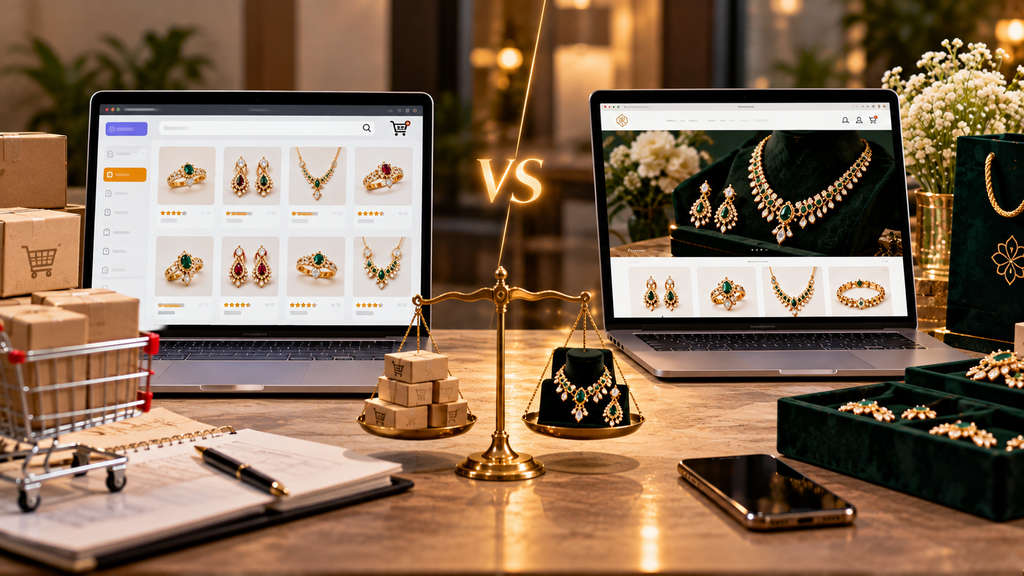
Marketplace or Website
For quick sales, marketplaces usually work faster. For long term branding, a custom website often wins. Many successful sellers eventually use both together. They start on marketplaces, then build their own gem ecommerce platform later. Think of this as a journey, not a single choice. Your ideal setup may change as your business grows. Stay open to adjusting your approach over time.
What to Look For in a Platform to Sell Gems Online
Before choosing, evaluate a few key factors. These decide your daily experience and long term profit.
Trust and Buyer Confidence
Gemstones involve high value, so trust matters greatly. Buyers want proof of authenticity and quality. Certifications from bodies like the Gemological Institute of America build strong confidence. Always display certification details clearly on every listing. Clear, honest photography also builds trust quickly. Show gemstones from multiple angles under good lighting. Avoid misleading filters or edited color enhancements.
Detailed descriptions also reduce buyer uncertainty. Include weight, origin, treatment, and clarity information. Transparency prevents disputes and builds long term loyalty.
Fees and Commission Structures
Every platform charges some kind of fee. Marketplaces usually take a percentage per sale. Custom websites avoid marketplace commissions entirely. However, you pay for hosting, security, and marketing instead. Calculate your true cost on each option carefully. Compare commission percentages against website running expenses. This math often reveals the smarter long term choice.
Control Over Branding
Marketplaces limit how much you can customize. Your store often looks similar to competitors nearby. A custom website gives full branding freedom. This helps build a memorable, trusted gemstone brand.
Consistent colors, fonts, and messaging build recognition faster. Strong branding also justifies premium pricing over time. Buyers often pay more for trusted, recognizable brands.
Selling Gemstones Online via Marketplaces
Marketplaces remain a popular starting point for many sellers. They offer quick access to existing buyers.
Popular Marketplace Options
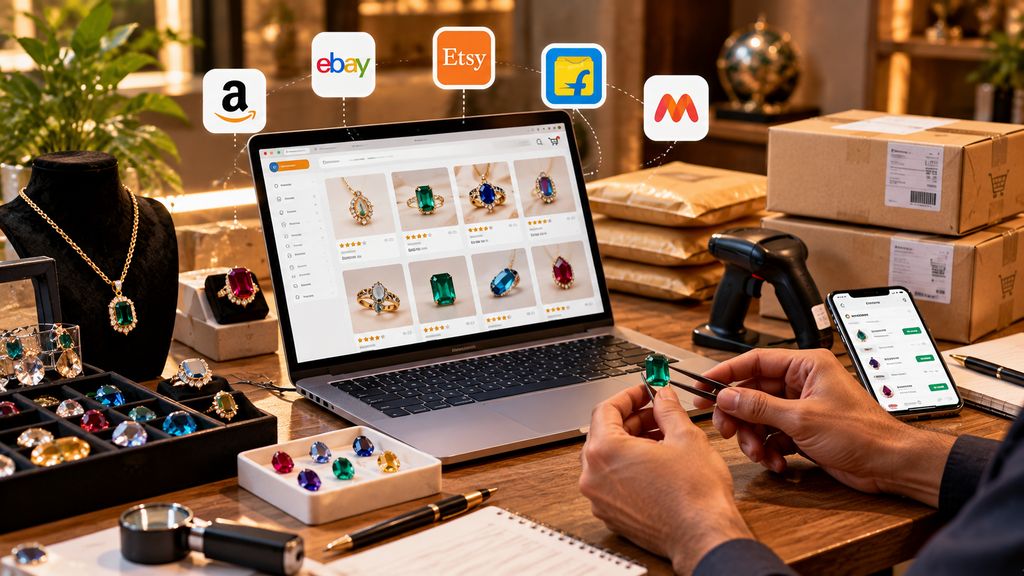
Sites like Etsy suit smaller, unique gemstone sellers well. Larger platforms work well for bigger inventories. Learning Amazon SEO helps your gem listings rank higher. Exploring Amazon advertising in India can boost visibility quickly too.
If you sell across several marketplaces, consider professional marketplace management services. This keeps listings, pricing, and orders organized. Each marketplace attracts a slightly different buyer type. Research where your ideal gemstone customer already shops. This research guides smarter platform selection early on.
Pros of Marketplaces
Marketplaces bring instant traffic and built in trust. Setup is usually fast and beginner friendly.
You avoid handling technical website maintenance yourself. This suits sellers who want to start quickly.
Marketplaces also handle much of the customer support burden. Returns, disputes, and payment issues often get managed centrally. This reduces daily operational pressure significantly for new sellers.
Cons of Marketplaces
Commission fees reduce your overall profit margin. Competition on marketplaces can also feel intense. You have limited control over design and branding. Customer data often stays with the platform too.
Price competition can also pressure your margins downward. Standing out among similar listings takes extra effort. Some sellers find this environment stressful long term.
Building Your Own Gem Ecommerce Platform
A custom website offers a different kind of value. It suits sellers focused on long term brand growth. Work with a team offering ecommerce website development for a smooth build. Choose professional website design that reflects your gemstone brand’s identity.
For flexible, scalable options, explore WordPress website development. Many growing gem sellers prefer this balanced approach. Platforms like Shopify also offer a strong middle ground. They combine easier setup with real customization freedom.
Pros of a Custom Website
You keep full control over pricing and design. You also own complete customer relationship data. There are no ongoing marketplace commission fees. This improves profit margins as sales grow. You can also build direct customer relationships easily. Email lists and repeat buyers become far more valuable. This loyalty compounds nicely over several years.
Cons of a Custom Website
You must handle marketing and traffic generation yourself. This requires ongoing investment in SEO and ads. Initial setup also costs more than joining a marketplace. Results usually take longer to build steadily. You are fully responsible for security and uptime. Technical issues can directly impact your sales. Budget for reliable hosting and ongoing support.
Jewelry Marketplace vs Website: Side by Side Comparison
Here is a simple comparison for quick reference. Use this to match your business stage.
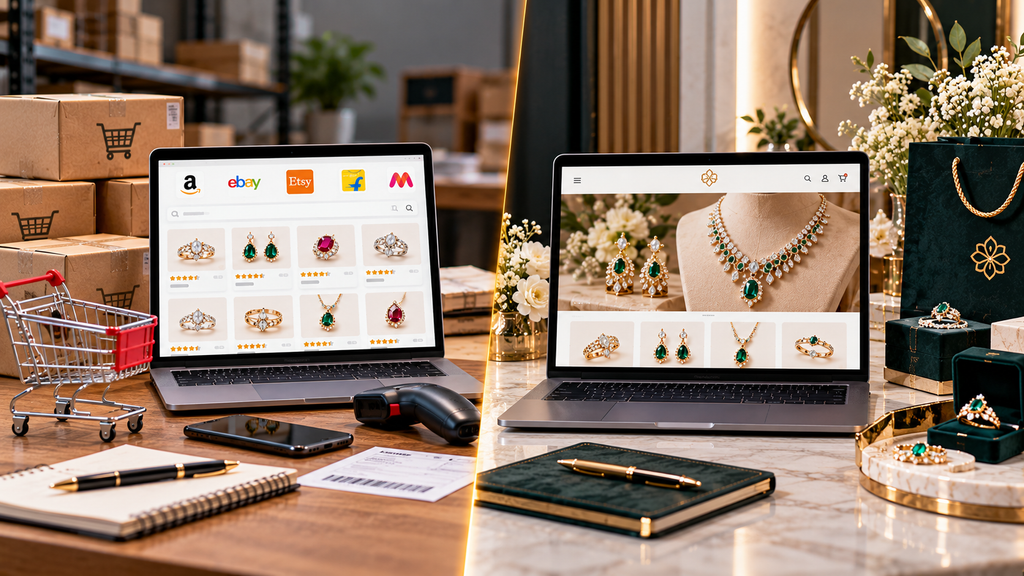
- Setup speed favors marketplaces strongly
- Long term branding favors custom websites clearly
- Fees are lower on your own website
- Trust building starts faster on marketplaces
- Design freedom belongs fully to custom websites
- Customer data ownership favors your own website
- Marketing responsibility falls mainly on website owners
- Technical maintenance falls mainly on website owners
Review this list against your current priorities. It helps clarify which option fits best right now. No single answer works for every gemstone seller. Your specific situation should guide the final decision. Print or bookmark this comparison for later reference. Revisit it whenever your business circumstances change.
Which Option Suits Different Sellers
Your ideal choice depends on your business stage. Consider your budget, timeline, and long term goals. New sellers with limited budget often prefer marketplaces first. Quick sales help validate demand early on. Established sellers with steady sales often prefer websites. They already have proven products and loyal customers.
Some sellers blend both approaches successfully. They use marketplaces for reach and websites for branding. Consider your available time and skills too. Running a website requires more hands on management. Marketplaces require less daily technical involvement overall.
Your product type also matters here. Rare, high value gems may suit branded websites better. Affordable, everyday pieces often sell well on marketplaces. Seasonal demand also affects platform choice slightly. Marketplaces capture holiday shoppers browsing broadly. A website relies more on your own marketing push. Your comfort with technology matters too. Some sellers enjoy managing a website directly. Others prefer the simplicity marketplaces naturally provide.
How to Market Your Gemstone Business Either Way
Marketing matters regardless of your chosen platform. Both marketplaces and websites need consistent promotion. Strong ecommerce SEO helps your gem pages rank higher. Proper keyword research uncovers what buyers actually search for. Optimize every listing with a clear meta description and correct meta title length. Add descriptive alt text to every gemstone photo consistently. Technical health also supports rankings. Implement schema markup so search engines understand your products. Follow a technical SEO audit checklist regularly for best results.
Speed affects both trust and sales. Focus on core web vitals and site speed optimization improvements. Faster pages reduce cart abandonment significantly. Build quality backlinks through outreach and partnerships. A strong backlink strategy improves your domain authority steadily. Track your organic traffic and work to increase organic traffic monthly.
Social platforms also drive gemstone sales well. Build a strong social media marketing presence consistently. Follow a clear social media marketing strategy across Instagram and Pinterest. Run targeted Facebook ads to reach specific buyer segments. Instagram advertising also works well for visual gemstone content. Use email marketing for repeat customer offers. WhatsApp marketing also works especially well in India. Consider search engine marketing or Google Ads management services for faster growth. Fresh, helpful content supports long term visibility too. Explore content writing services in Jaipur for regular gemstone guides. Buying guides and care tips attract early stage buyers naturally.
Track performance regularly regardless of platform. Watch conversion rates, traffic sources, and average order value. These numbers guide smarter marketing budget decisions. Test different messaging and images periodically. Small changes often improve conversion rates noticeably. Consistent testing beats guessing every single time.
Building Trust When You Sell Gemstones Online
Trust drives every gemstone purchase decision. Buyers cannot touch or inspect products beforehand. Display certification and authenticity documents clearly. Share real customer reviews and testimonials often. Claim and optimize your Google Business Profile listing too. This supports local SEO for nearby gemstone buyers.
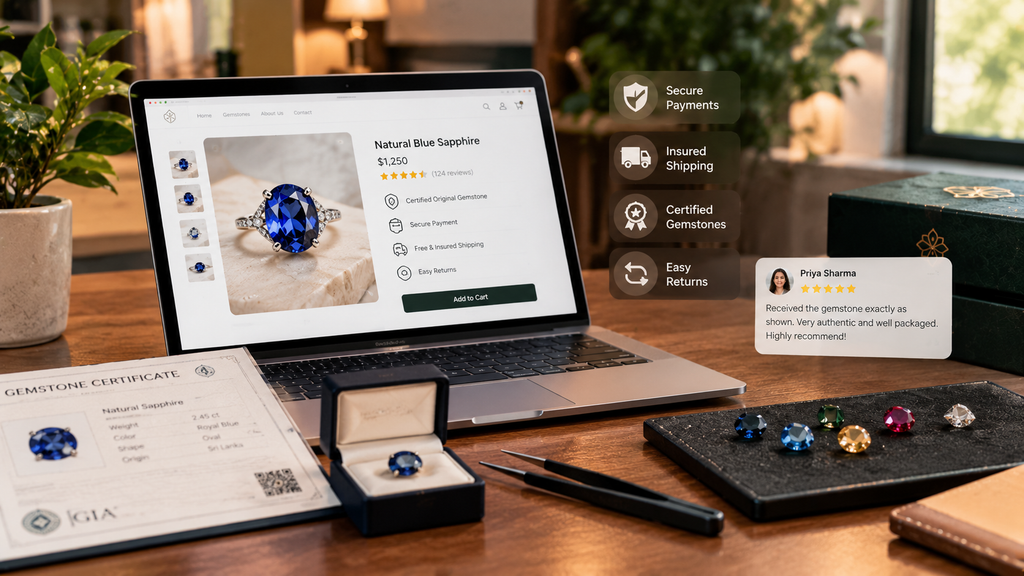
Explore local SEO services in India if you serve specific cities. Local visibility helps buyers trust nearby, established sellers faster. Secure checkout also builds confidence during purchase. Follow guidelines from the PCI Security Standards Council for safe payments. Offer clear return and exchange policies too. Transparent policies reduce buyer hesitation before purchase. Fast, honest customer support also builds lasting trust.
When to Move From Marketplace to Website
Many sellers eventually outgrow marketplace limitations. Knowing when to transition helps avoid stalled growth. Consider a switch once sales feel consistent. A steady customer base reduces the risk of moving. You already know what products actually sell. Rising commission costs also signal it’s time. If fees eat too much profit, a website often pays off faster. Calculate this carefully before deciding.
Growing brand recognition is another strong signal. Customers searching your brand name directly deserve a dedicated home. A website captures that demand better. You do not need to leave marketplaces completely. Many brands keep marketplace listings while growing their own website. This hybrid approach spreads risk wisely.
Hidden Costs to Consider Before Choosing
Beyond obvious fees, hidden costs often surprise sellers. Planning for these avoids budget shocks later. Marketplace sellers often pay for sponsored listings. These ads help visibility but add extra cost. Factor this into your true profit calculations.
Website owners often underestimate ongoing SEO investment. Rankings take time and consistent, quality content. Budget realistically for months of steady effort. Both options require customer service time and tools. Support software, refunds, and replacements cost money. Include these in your overall business planning.
Common Mistakes Gem Sellers Make
Avoid these frequent errors when choosing a platform. They often slow growth or hurt profits.
- Choosing a platform based on hype alone
- Ignoring commission fees when calculating true profit
- Skipping certification and authenticity documentation
- Neglecting SEO on both marketplaces and websites
- Underestimating the marketing effort websites require
- Failing to compare fees across different marketplaces
- Ignoring conversion rate optimization after launching a store
- Copying competitor pricing without checking real margins
- Delaying website investment until growth becomes urgent
Review these mistakes before committing fully. Small corrections early prevent costly problems later. Revisit your platform choice periodically too. What worked initially may not fit forever. Stay flexible as your gemstone business evolves.
Frequently Asked Questions
Marketplaces and custom websites both truly work quite well today. Marketplaces generally offer much faster reach and instant buyer trust. Custom websites offer stronger control and branding long term overall.
Marketplaces often feel much safer for many new sellers today. They usually offer built in buyer protection and trust. Custom websites need extra security investment but offer more control always.
Gem marketplaces usually charge a fair percentage per completed sale always. Rates vary quite widely between many different platforms today. Always check fee structures carefully before choosing your final option.
Yes, many gem sellers succeed with their own websites today. You also control pricing, branding, and all customer relationships fully. However, you must handle marketing and traffic generation yourself entirely.
Beginners usually start with very established, trusted marketplaces first. This also builds early trust and generates initial sales quickly. Later, many sellers then move toward their own fully branded website.
Conclusion
Choosing the best platform to sell gems takes honest self assessment. Your budget, timeline, and goals all matter here. Marketplaces offer speed and instant trust for new sellers. Custom websites offer control, branding, and better long term margins. Many sellers eventually benefit from combining both approaches.
Focus on trust, certification, and consistent marketing regardless of platform. These fundamentals drive gemstone sales everywhere. Start where you are, then scale confidently over time. Test your chosen platform with real products soon. Gather feedback and adjust your approach quickly. Growth comes from consistent action, not perfect planning.

About the author
Ujjwal Kumawat
I specialize in SEO, website development, Google Ads and online business growth strategies. Through my blogs, I share practical insights, marketing tips and proven strategies to help businesses improve their online visibility, generate more leads and grow faster in the digital space.