What is organic traffic and why does it matter?
Organic traffic is visitors who find you through search. No ads or payments are involved here. This traffic often signals real audience interest. It remains a core SEO goal.
This guide explains the O.T. meaning clearly. You will learn about OT in digital marketing overall. We also cover paid traffic vs organic traffic differences.
What Is Organic Traffic?
Organic traffic is visits from unpaid search results. Someone searches/
, clicks your listing, and lands naturally. No advertising budget drives this specific visit.
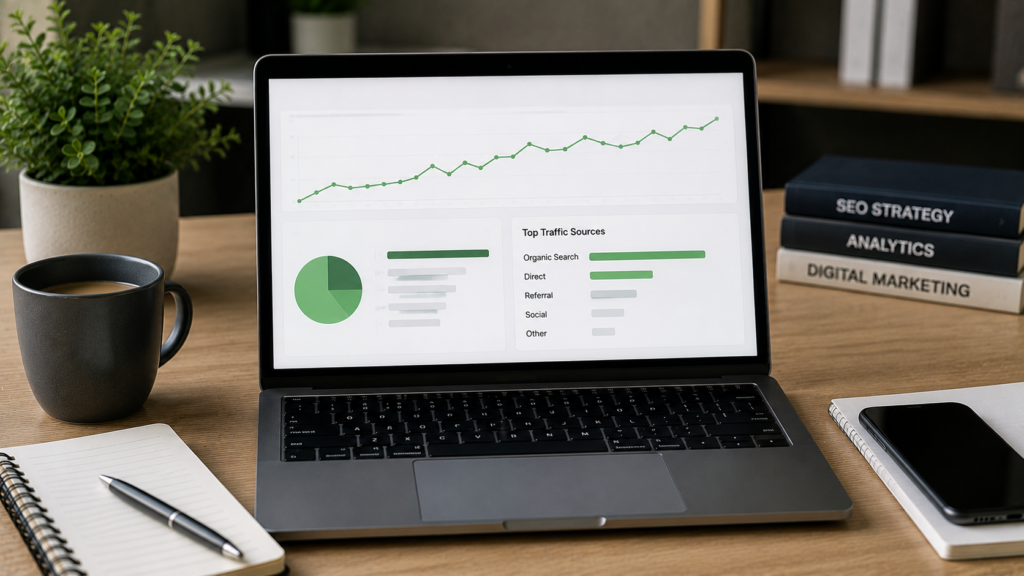
According to Google’s SEO starter guide, strong content and technical health drive traffic. Better rankings naturally lead to more organic visits.
Organic Traffic Meaning in Simple Terms
Think of O.T. as earned visibility. You earn it through content, keywords, and links. It differs completely from traffic you directly pay for.
This concept connects closely with keyword research. Targeting the right terms helps you earn more organic visits.
SEO Organic Traffic and How Rankings Drive It
SEO organic traffic grows as your rankings improve. Higher rankings mean more visibility for relevant searches. More visibility naturally leads to more clicks.
Search engines reward relevant, high quality content consistently. Weak or thin content rarely earns strong rankings. Strong content remains the foundation of organic growth.
Pairing content with keyword research for SEO ensures pages target real demand. This alignment multiplies your organic traffic potential significantly.
Organic Traffic in Digital Marketing Strategy
Organic traffic in digital marketing rarely stands alone. It works alongside content, social, and paid channels together. A balanced strategy strengthens every channel involved.
Marketers value it for its long term stability. Unlike paid campaigns, organic visits continue without ongoing spend. This makes it a valuable, compounding asset.
Our digital marketing strategies guide explains how O.T. fits into broader planning.
Paid Traffic vs Organic Traffic
Paid traffic vs O.T. involves several key differences. This stops the moment spending stops completely. O.T. can continue for months afterward.

Cost Differences
Paid traffic requires ongoing budget for every click. O.T. requires upfront investment in content and SEO. Long term, O.T. often costs less overall.
Trust Differences
Many users trust organic results more than ads. Organic listings feel earned rather than purchased. This trust often leads to stronger engagement rates.
Speed Differences
Paid traffic delivers results almost immediately after launch. O.T. usually takes weeks or months to build. Patience remains essential for organic growth success.
What Is Organic Traffic in Google Analytics?
Google Analytics tracks O.T. as a specific channel. This channel captures visits from unpaid search engine results. It excludes paid ads and direct visits entirely.
Navigate to the Acquisition section inside your analytics account. Look for the Organic Search channel grouping there. This report shows sessions, users, and behavior data.
According to Google Analytics Help documentation, channel groupings classify traffic by source. This classification helps separate organic from other channels.
Why Organic Traffic Matters for Your Business
Organic traffic often converts better than many other channels. Visitors arrive already searching for relevant solutions. This intent frequently leads to stronger conversion rates.
It also builds long term brand visibility and trust. Consistent rankings keep your brand in front of searchers. This visibility compounds over months and years.
Ecommerce brands especially benefit from strong O.T. growth. Our ecommerce SEO service helps capture this valuable search demand.
Organic Traffic and Search Intent
Search intent shapes which content earns organic traffic. Users search with informational, navigational, or transactional goals. Matching intent closely improves your ranking chances significantly.
According to Moz’s organic versus paid search guide, intent helps prioritize content topics. This focus saves wasted content creation effort.
Review search results for your target keywords first. Notice what content format currently ranks well. Matching this format improves your O.T. odds.
Organic Traffic and Content Freshness
Fresh, updated content often earns stronger organic rankings. Search engines favor pages reflecting current, accurate information. Stale content gradually loses relevance and traffic.

Review your top performing pages every few months. Update statistics, examples, and outdated references regularly. This habit protects your existing O.T. gains.
Our how to know if your SEO is working guide covers this too. This keeps your strategy consistently effective.
Organic Traffic Channels Beyond Google Search
Organic traffic also includes other search engines sometimes. Bing and other platforms contribute smaller traffic shares. Video platforms like YouTube generate organic search traffic too.
Diversifying your organic presence reduces overall risk. Relying only on one search engine limits growth. Our YouTube keyword research guide covers this additional channel.
How Organic Traffic Supports Long Term Growth
Publish content that directly answers search queries. Focus on topics your audience actively searches for. Useful, relevant content earns stronger rankings over time.
Improve technical site health alongside your content efforts. Review our core web vitals optimization guide for practical improvements. Fast, healthy sites rank and convert better.
Build quality backlinks to strengthen overall site authority. Our backlink audit guide explains how to evaluate your current link profile.
Organic Traffic for Different Business Types
Local businesses benefit from strong local search visibility. Our local SEO team focuses on capturing nearby search demand.
Healthcare brands need trusted, authoritative organic visibility too. Our SEO for hospitals guide covers strategies for this specific industry.
Enterprise brands manage O.T. across many pages. Our enterprise SEO and franchise SEO teams handle this complexity daily.
Common Mistakes That Hurt Organic Traffic
Ignoring technical SEO undermines even strong content efforts. Slow, broken pages waste valuable ranking potential. A technical SEO audit checklist helps catch these issues early.

Publishing thin, low value content rarely earns lasting traffic. Search engines increasingly reward depth and genuine usefulness. Quality should always outweigh raw publishing volume.
Neglecting older content also causes O.T. decline. Regular content audit reviews keep existing pages fresh and relevant.
Organic Traffic and the Rise of AI Search
Search continues evolving toward AI powered answers. Understanding what is AI SEO helps brands prepare for this shift. Organic visibility still matters within these systems.
Our AI SEO services help brands adapt content for these emerging search formats. Explore our best AI SEO tools guide for more platforms.
Measuring and Tracking Organic Traffic Growth
Track organic sessions, users, and conversion rates monthly. Watch for steady, upward trends over several months. Sudden drops may signal technical or ranking issues.
Our analytics and reporting dashboards guide explains how to build clear tracking systems. Clear data helps your entire team stay aligned.
Regular SEO audits keep your organic strategy honest and current. Consistent monitoring catches problems before they grow serious.
Building a Sustainable Organic Traffic Strategy
Sustainable growth favors patience over quick fixes always. Avoid shortcuts that risk long term search penalties. Focus on genuine value and consistent effort instead.
According to Ahrefs’s organic traffic guide, consistent publishing compounds visibility over time. Steady effort outperforms occasional bursts of activity.
Combine your efforts with strong SEO services for compounding results. Explore our blog for fresh O.T. strategies regularly.
Organic Traffic Reporting for Teams
Clear reporting keeps stakeholders informed and confident. Show sessions, conversions, and keyword ranking trends together. Visual dashboards make progress easy to understand.

Schedule regular check ins to review this data. Monthly reviews work well for most teams. Consistent reporting builds trust in your ongoing strategy.
Automating parts of this process saves valuable time. Explore our SEO automation guide for practical reporting workflow ideas.
Setting Realistic Organic Traffic Expectations
Organic traffic growth rarely happens overnight quickly. Most strategies need several months to show impact. Setting realistic timelines keeps your team motivated.
Break your strategy into smaller, measurable milestones. Track progress against each milestone consistently over time. Small wins build momentum toward larger goals.
Communicate timelines clearly with stakeholders from the start. Clear expectations prevent frustration during slower early months.
Frequently Asked Questions
Organic traffic is visitors who find your website through unpaid search results. No advertising budget drives these visits. Strong content, keywords, and technical health all help generate this valuable traffic.
In Google Analytics, O.T. refers to visits from unpaid search engines. This channel excludes paid ads, direct visits, and referral traffic. It reflects genuine search engine visibility and ranking performance.
Paid traffic requires ongoing budget and stops when spending ends. Organic traffic continues without direct payment for each visit. Organic results also tend to earn more user trust over time.
Growing O.T. typically takes several months of consistent effort. New websites may need even longer to build authority. Patience, quality content, and technical health all support faster organic growth.
Organic traffic often converts better than many paid channels. It builds long term brand visibility without ongoing advertising spend. This makes it a valuable, compounding asset for sustainable business growth.
Conclusion
Organic traffic remains one of the most valuable growth channels. Understanding the organic traffic meaning helps you plan smarter campaigns. Comparing paid traffic vs organic traffic clarifies where to invest.
SEO organic traffic grows through consistent, quality focused effort. Track your progress inside Google Analytics regularly and carefully. Patience and consistency always outperform risky shortcuts.
Organic traffic in digital marketing compounds stronger over time. Explore our complete SEO services to build a strategy that lasts.

About the author
Ujjwal Kumawat
I specialize in SEO, website development, Google Ads and online business growth strategies. Through my blogs, I share practical insights, marketing tips and proven strategies to help businesses improve their online visibility, generate more leads and grow faster in the digital space.